5 content release strategies for artists and creators
Discover the top content release strategies for artists and creators. Compare waterfall, single-driven, album, and serial methods to maximize engagement and reduce burnout.

TL;DR:
- Effective release strategies depend on timing, format, and audience platform for optimal engagement.
- Structured 90-day calendars and advance asset creation boost momentum and reduce creator burnout.
- Single-driven releases every 4-6 weeks often outperform album launches and daily posting for independent creators.
Most creators pour everything into making their work, then treat the release as an afterthought. That gap between great content and real traction isn’t just about quality. It’s about strategy. The way you sequence, time, and promote a release shapes how algorithms respond, how audiences build, and whether your work gets a second chance after day one. Creators who follow a structured approach consistently outperform those who release on impulse. This article breaks down how to choose the right strategy for your goals, explains the top methods in plain terms, compares them side by side, and gives you a practical execution plan to follow.
Table of Contents
- How to choose a content release strategy
- Top content release strategies explained
- Release strategy comparison table
- Making strategies work: planning, assets, and timing
- Our take: Why less can get you more (and what most creators miss)
- Streamline your release workflow with Orias AI
- Frequently asked questions
Key Takeaways
| Point | Details |
|---|---|
| Strategic release wins | Choosing the right release method can multiply your audience and boost engagement. |
| Consistent calendars build momentum | A structured 90-day plan helps you stay organized and triples follower interaction. |
| Burnout is avoidable | Spacing out releases and automating assets lets you keep creating without stress. |
| Assets matter as much as music | Pre-made teasers and visuals amplify every release across platforms. |
How to choose a content release strategy
Now that you know what a winning release strategy means, let’s break down how to evaluate your options. Not every approach fits every creator, and picking the wrong one can cost you momentum, time, and energy.
Start by asking five questions before committing to any method:
- What are you releasing? Singles, albums, podcast episodes, and video series each follow different timing logic.
- Where does your audience live? Spotify, YouTube, Instagram, and TikTok each reward different cadences and content formats.
- What assets do you already have? If you have ten finished tracks, a waterfall approach makes sense. If you have one, it doesn’t.
- What’s your promotional bandwidth? A strategy that requires five posts per week is useless if you can only sustain two.
- What’s your timeline? A drop in six weeks needs a different plan than one in six months.
Frequency and quality must stay in balance. Posting constantly with weak visuals or inconsistent messaging trains your audience to ignore you. Structured 90-day content calendars yield 2-3x engagement when built around three phases: Build (awareness), Activate (momentum), and Extend (sustain), with 4-5 posts per week.
Once you map your release type, target platform, and promotional timeline, you can streamline creative projects instead of scrambling at the last minute. Structured music content calendars reduce guesswork and protect you from burnout by distributing the workload across weeks rather than compressing it into days.
Pro Tip: Build your promotional assets before your release date, not after. Teasers, captions, and cover variants created in advance give you the flexibility to schedule and adjust without pressure.
Top content release strategies explained
Once you have your needs defined, choose the method that aligns best. Here are the most effective strategies broken down.
Waterfall release works best in singles-heavy genres like pop, hip-hop, and electronic music. Each new single bundles previous tracks under the same project, so each new release bundles previous tracks and compounds streams via the same ISRC codes, spaced 4-6 weeks apart on Fridays. The result: every new drop re-energizes older material. The risk is that the format can feel repetitive if your singles don’t vary in tone or sound, and it can lead to creative fatigue if you’re producing at pace without a backlog.
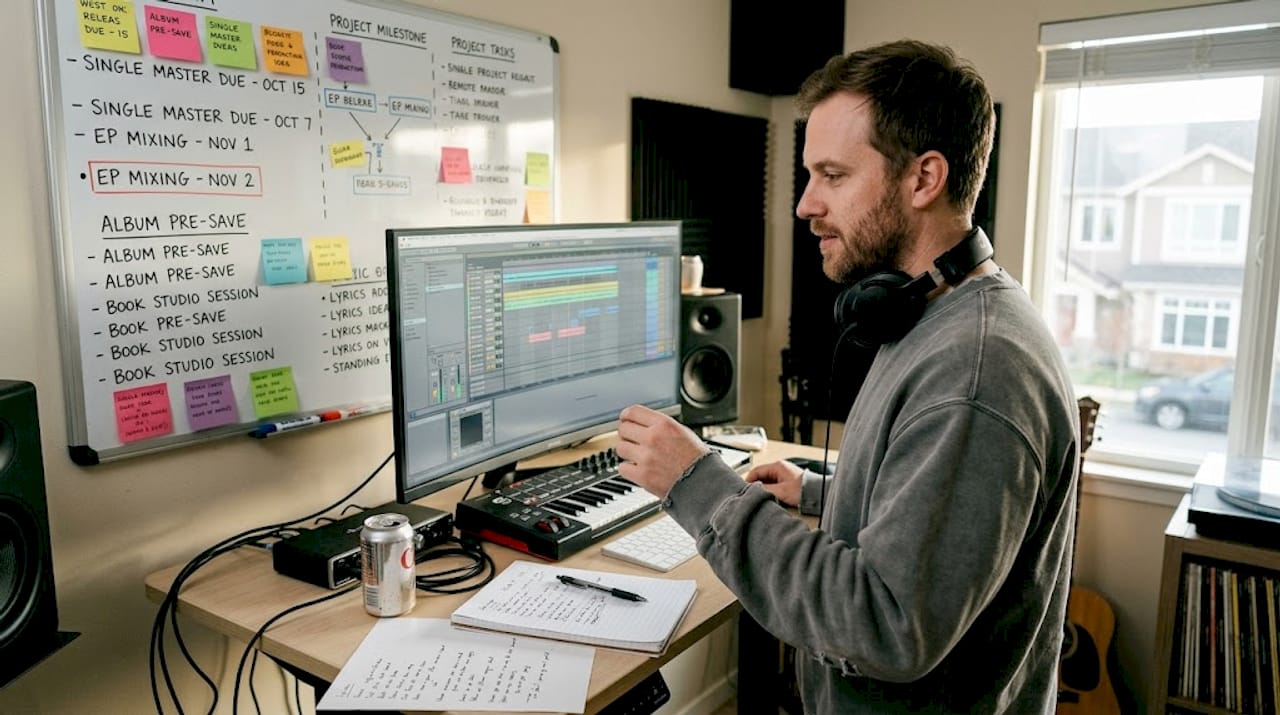
Single-driven releases focus on a steady drip of content every 4-8 weeks. Singles every 4-6 weeks outperform albums released without prior singles, and the spacing gives each track room to breathe, get playlisted, and generate data before the next one drops. This approach is ideal for independent artists building an audience from scratch.
Traditional album releases require 10-12 weeks of planning minimum, with 2-4 lead singles rolling out before the full project. This format still works when narrative cohesion matters, such as a concept album or a visual project with a clear arc. The payoff is a larger cultural moment, but the setup cost is high.
Serial or weekly releases suit episodic formats like podcasts, YouTube series, or video essays. Consistency is the engine here. Check out visual tips for music releases to make each episode visually distinct, and consider how to build a magnetic visual identity across your series for brand recognition.
Edge case: Waterfall works well for stream-focused genres but can undercut storytelling impact for artists whose work is meant to be heard as a whole. Know your artistic intent before defaulting to what’s algorithmically convenient.
Pro Tip: Layer teasers and playlist pitching around every release, regardless of strategy. Even a 15-second clip posted three weeks out can double pre-save numbers and signal intent to curators. For genre-based strategies, timing and format vary significantly, so research your niche before locking in.
Release strategy comparison table
With each strategy explained, let’s see how they stack up directly. This table gives you a quick reference for matching your situation to the right approach.
| Strategy | Engagement potential | Planning required | Burnout risk | Best for |
|---|---|---|---|---|
| Waterfall | High (compounding) | Moderate | Medium | Singles-heavy artists with a backlog |
| Single-driven | Medium to high | Low to moderate | Low | Independent artists building steadily |
| Traditional album | Very high (at peak) | Very high | High | Established artists, concept projects |
| Serial/weekly | Consistent, steady | Moderate | High if unsupported | Podcasters, YouTubers, episodic creators |
Singles every 4-6 weeks outperform albums released without prior singles, which makes the single-driven approach the most accessible entry point for most independent creators. The album format carries the highest ceiling but also the highest cost in time, energy, and promotional assets.
The serial format is unique because its engagement is driven by habit rather than hype. Audiences return because they expect the next installment, not because a campaign pushed them. That’s a different kind of loyalty, and it’s worth building if your content format supports it.
For creators unsure where to start, the single-driven approach offers the best balance of effort and return. Pair it with a strong promo visuals guide to ensure each release looks intentional and consistent across platforms.
Making strategies work: planning, assets, and timing
Comparisons are useful, but execution turns ideas into results. Here’s how to operationalize your strategy.
A basic 90-day calendar follows this structure:
- Weeks 1-3 (Build phase): Announce your upcoming release, share behind-the-scenes content, and start teasing the visual direction. Post 4-5 times per week across platforms.
- Weeks 4-6 (Activate phase): Drop your first single or episode. Launch pre-saves, pitch to playlists, and push short-form video clips. Momentum is the goal here.
- Weeks 7-9 (Extend phase): Release follow-up content, remixes, or bonus material. Repurpose your release into interviews, lyric breakdowns, or reaction content.
- Weeks 10-12 (Sustain phase): Analyze performance data, adjust your next release plan, and keep the conversation going with community content.
Structured 90-day calendars yield 2-3x engagement compared to unplanned releases. The phases matter because each one serves a different psychological function for your audience.
Here’s a quick asset checklist for each release:
| Asset type | When to create | Platform use |
|---|---|---|
| Cover art variants | 6 weeks before release | All platforms |
| Teaser clips (15-30 sec) | 4-6 weeks out | TikTok, Reels, Shorts |
| Pre-save link | 3-4 weeks out | Spotify, Apple Music |
| Playlist pitch | 4 weeks out | Spotify for Artists |
| Caption variants | 2 weeks out | Instagram, X, Threads |
Teasers 4-6 weeks out, pre-saves, and tiered playlist pitches form the foundation of a strong promotional wave. Repurposing one piece of content into multiple formats is the most efficient way to maintain presence without doubling your workload. Learn how captions in music marketing can significantly lift engagement when written with intention. For broader content distribution insights, a multi-platform approach consistently outperforms single-channel pushes.
Pro Tip: Use consistent visual themes and caption styles across your entire promotional wave. Audiences recognize patterns, and visual cohesion signals professionalism even before they hear a single note.
Our take: Why less can get you more (and what most creators miss)
After all these tactics, what’s the deeper lesson from years in digital creation? The loudest voice in the room isn’t always the one people remember.
There’s a persistent belief that more output equals more growth. Post every day. Drop every week. Stay in the algorithm’s good graces. But frequent daily releases aren’t always better. Weekly or slower cadences can yield higher engagement in certain formats, especially when the audience has time to process and share before the next piece arrives.
Chasing algorithms at the expense of quality is a trade-off most creators don’t realize they’re making until the burnout hits. When you compress your creative cycle to meet a posting schedule, the work suffers, and audiences notice even if they can’t articulate why.
Sustainable calendars do two things at once: they protect your mental health and build anticipation. Scarcity, used intentionally, is a real engagement driver. When your audience knows something is coming and has to wait for it, the payoff lands harder.
“When you focus on quality, engagement compounds over time. Scarcity can be a superpower.”
The creators who build lasting audiences aren’t the ones who post the most. They’re the ones who show up consistently, with intention, and give their work room to resonate. An efficient creative process supports that kind of sustainable output without sacrificing the quality that makes the work worth releasing.
Streamline your release workflow with Orias AI
Ready to implement and optimize your content release plan? Here’s one way to simplify the entire process.
Building a 90-day calendar, generating teaser visuals, writing caption variants, and maintaining visual consistency across platforms takes significant time when done manually. The Orias AI creative workspace is built specifically for creators who want to move from rough concept to publish-ready assets without losing hours to repetitive production tasks.
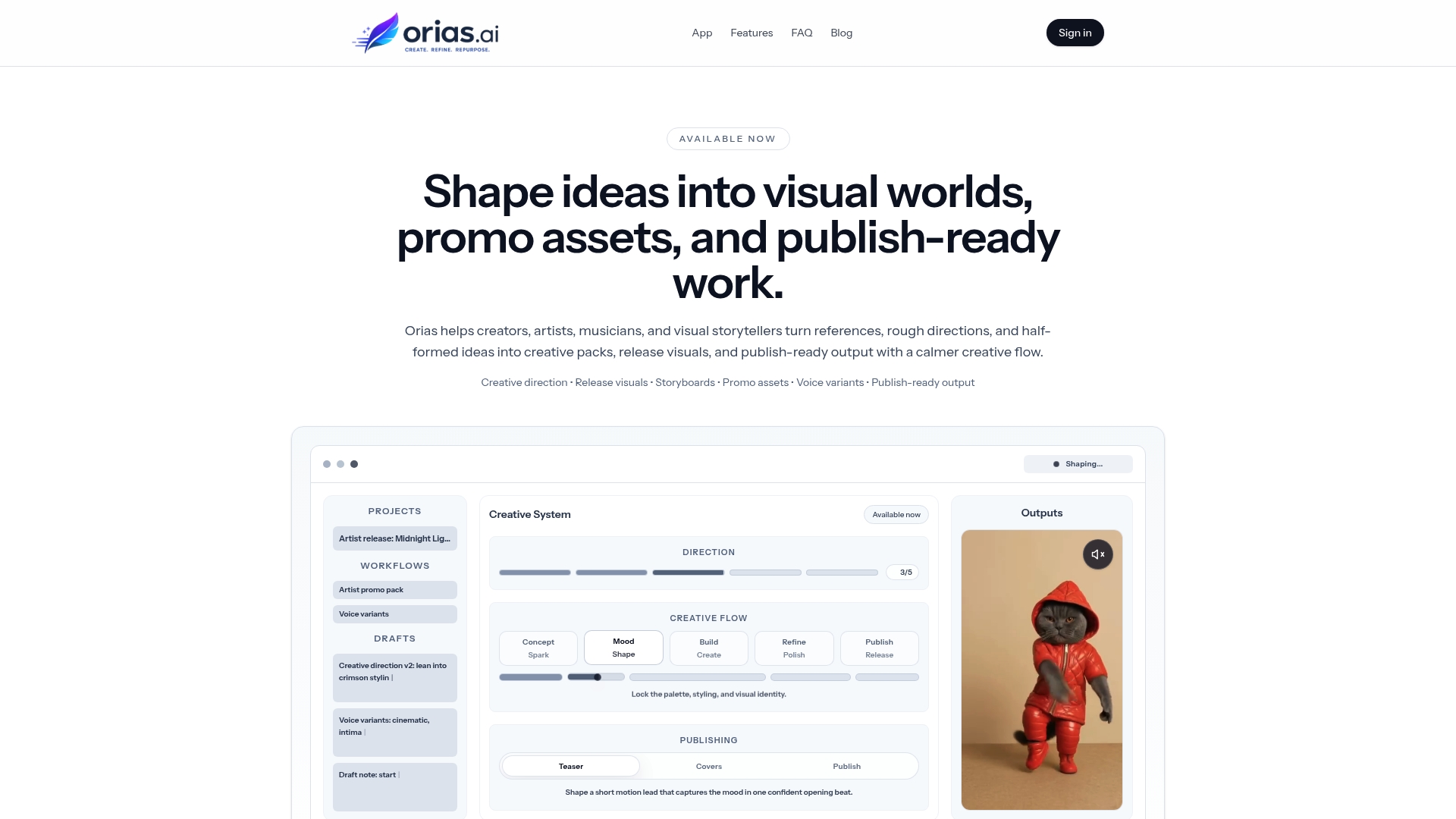
Orias AI helps you develop visual directions, generate promo assets, and produce multiple caption or voice variants from a single creative brief. Whether you’re planning a waterfall drop, a single-driven campaign, or a full album rollout, the platform supports every phase of your 90-day calendar with tools designed for creative clarity and speed. Less manual work means more energy for the creative decisions that actually move your audience.
Frequently asked questions
What is the waterfall release strategy in music and content?
The waterfall strategy releases singles sequentially, with each new release bundling previous tracks under the same project to compound streams over time. It works best for artists in singles-heavy genres with a backlog of finished material.
How often should I release new content for maximum engagement?
Singles every 4-6 weeks typically outperform less frequent drops by sustaining algorithmic momentum and giving audiences consistent touchpoints. The exact cadence depends on your format and bandwidth.
What is the best way to plan and promote my releases?
Use a 90-day calendar with distinct Build, Activate, and Extend phases, and prepare teasers, visuals, and playlist pitches well ahead of your release date.
Are frequent daily releases always better for my audience?
Slower weekly cadences can generate more anticipation and engagement than daily drops, especially in formats where audiences need time to absorb and share content before the next piece arrives.
How can I reduce burnout while maintaining strong engagement?
Plan your assets in advance, repurpose content across platforms, and use tools that automate repetitive production tasks. Structured release calendars distribute the workload evenly and protect your creative energy over the long term.