Build a magnetic visual identity: a guide for musicians
Most musicians pour everything into their sound, but the artists who break through consistently are the ones who also nail their look.

Your visual identity is not decoration. It is the first thing a potential fan sees before they ever press play. Visual storytelling drives 1200% more shares than text alone, which means your imagery is doing promotional work around the clock. This guide walks you through every step of building a visual identity that feels authentic, travels well across platforms, and grows with your career.
Table of Contents
- Why visual identity matters for musicians
- Core elements of a musician’s visual identity
- Step-by-step: How to define and build your visual identity
- Innovative (and free!) tools for creating musician visuals
- Authenticity, evolution, and the pitfalls to avoid
- Supercharge your musician visuals with Orias AI
- Frequently asked questions
Key Takeaways
| Point | Details |
|---|---|
| Consistency is critical | Building your look across platforms and campaigns makes fans remember and share your music. |
| Start with your story | Defining your sound and values ensures visuals match your music authentically. |
| Leverage free and AI tools | Modern creative platforms let any musician develop eye-catching branding with no design experience. |
| Balance evolution with clarity | Evolve visuals for new eras but keep core elements familiar to fans. |
Why visual identity matters for musicians
Your music creates an emotional experience. Your visuals extend that experience into every corner of the internet where fans might find you. When your imagery is consistent and intentional, it builds recognition fast. Fans who see your color palette on Instagram, your logo on a Spotify canvas, and your aesthetic on a merch drop all receive the same signal: this artist knows who they are.
That recognition translates directly into business results. 1200% more shares are generated through visual storytelling compared to text-based content, which means a well-branded post reaches audiences your music alone never would. The numbers get even more specific when you look at real campaigns. After a strategic rebrand, 47% YouTube subscriber growth was recorded for Whitney Houston’s catalog, proving that visual refresh can unlock entirely new audience segments.
Here is what a strong visual identity actually delivers:
- Fan loyalty: Consistent visuals create a world fans want to live in, not just listen to.
- Platform reach: Shareable imagery extends your promotional footprint beyond streaming.
- Career longevity: A recognizable brand survives algorithm changes and trend cycles.
- Collaboration appeal: Labels, brands, and promoters respond to artists with clear visual direction.
Exploring creative workflows for musicians can help you see how visual identity fits into a broader release strategy, not just as an afterthought but as a core creative asset.
“Your visual identity is the packaging of your artistic world. It tells the story before the music even starts.”
Core elements of a musician’s visual identity
Now that you understand why visual identity matters, let’s detail the individual building blocks and how they appear across your channels.
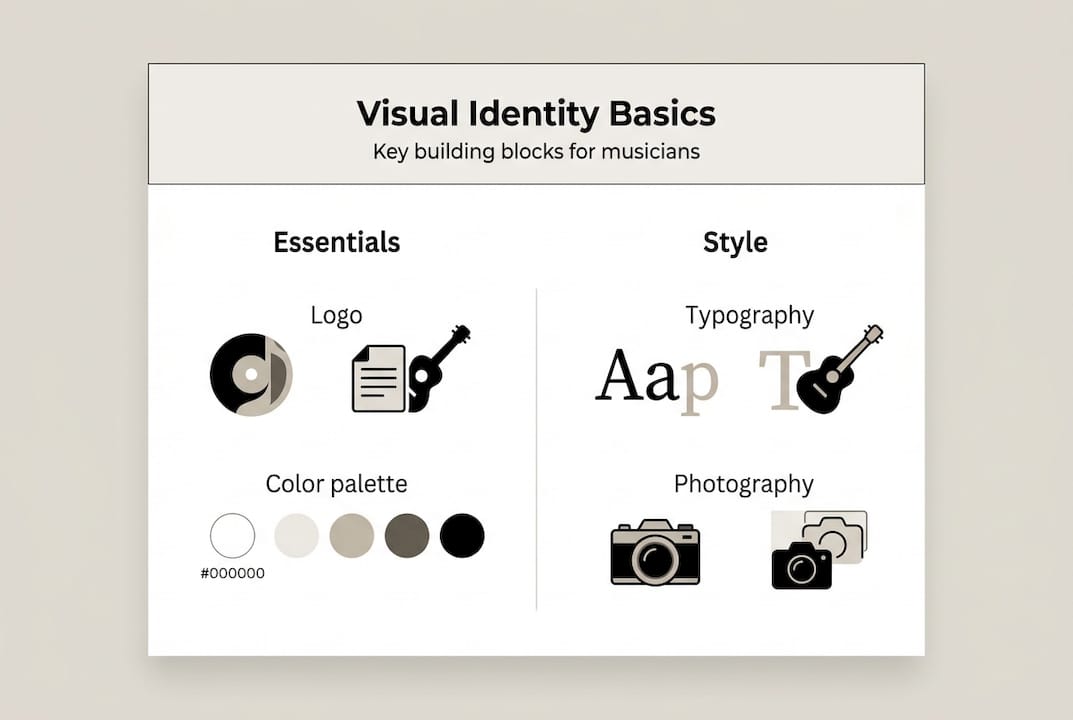
Visual identity is not just a logo. According to artist branding fundamentals , a complete visual system includes several interconnected components. The core components are a logo, a color palette of 2 to 4 colors, typography using 1 to 2 fonts, and a defined photo style. Each element reinforces the others, and together they create a visual language your audience learns to recognize.
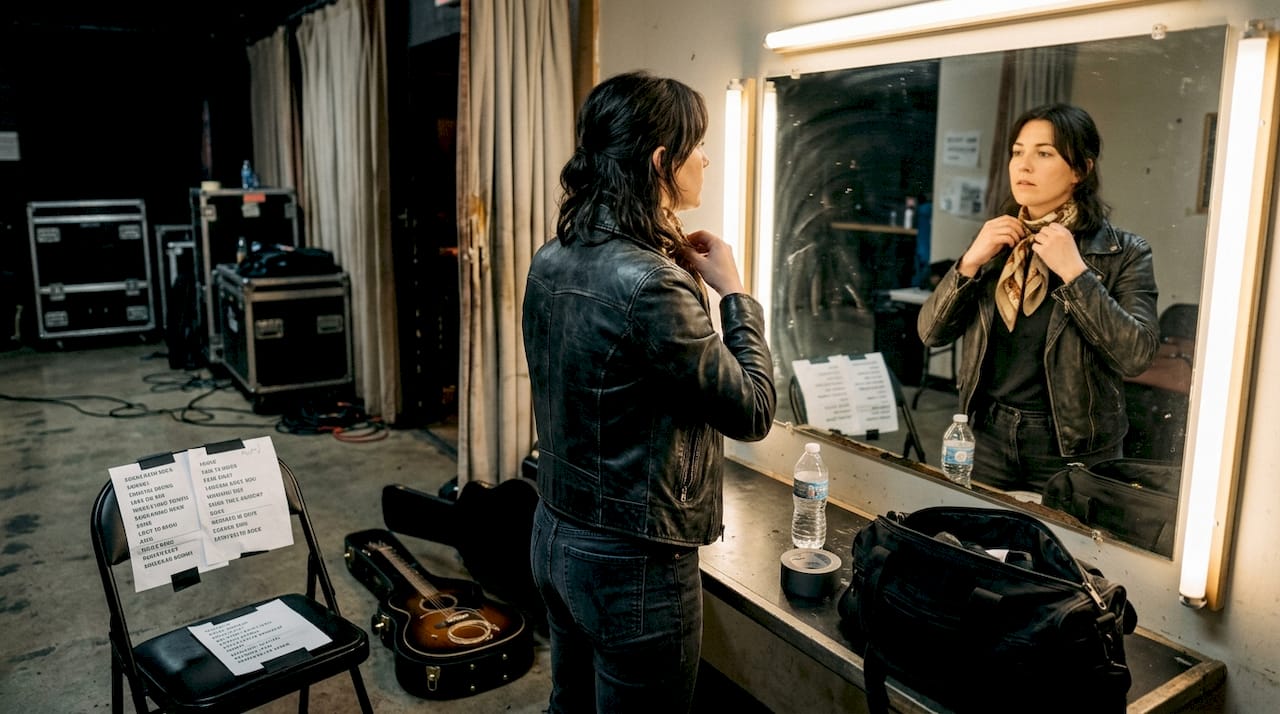
Fashion and personal styling also carry significant weight. The way you dress in press photos, music videos, and live performances communicates your brand just as clearly as any graphic element. Think of it as wearable art direction.
Here is how different platforms prioritize specific visual elements:
| Platform | Most critical elements | Format considerations |
|---|---|---|
| Color palette, photo style, grid aesthetic | Square and vertical crops | |
| Spotify | Logo, album art, canvas video | 1:1 and 9:16 formats |
| YouTube | Thumbnail style, banner, video color grading | 16:9 widescreen |
| TikTok | On-screen text style, video filter, fashion | Vertical, fast-paced |
| Merch | Logo, typography, signature graphic motifs | Print-ready vector files |
Using AI tools for music visuals can help you generate and test these elements quickly, especially when you are working without a full design team behind you.
Key visual elements to define for your brand:
- Logo or wordmark: A scalable mark that works at any size.
- Color palette: 2 to 4 colors that reflect your sonic and emotional world.
- Typography: Fonts that carry your tone, whether that is bold and aggressive or soft and introspective.
- Photography style: Lighting, composition, and editing choices that stay consistent across all shoots.
- Motion style: How your videos, reels, and canvases feel in terms of pacing and color grading.
Step-by-step: How to define and build your visual identity
Having broken down the core elements, it is time to put the pieces together into an actionable process you can follow immediately.
The 5-step methodology most branding professionals use covers: define your attributes, develop your elements, craft your story, create guidelines, then test and evolve. Here is how that plays out practically:
- Define your attributes. Write down 5 words that describe your music’s emotional tone. Moody, cinematic, raw, playful, futuristic. These words become your visual filter for every creative decision.
- Develop your elements. Choose your colors, fonts, and logo direction based on those attributes. Use free tools like Canva or Milanote to experiment before committing.
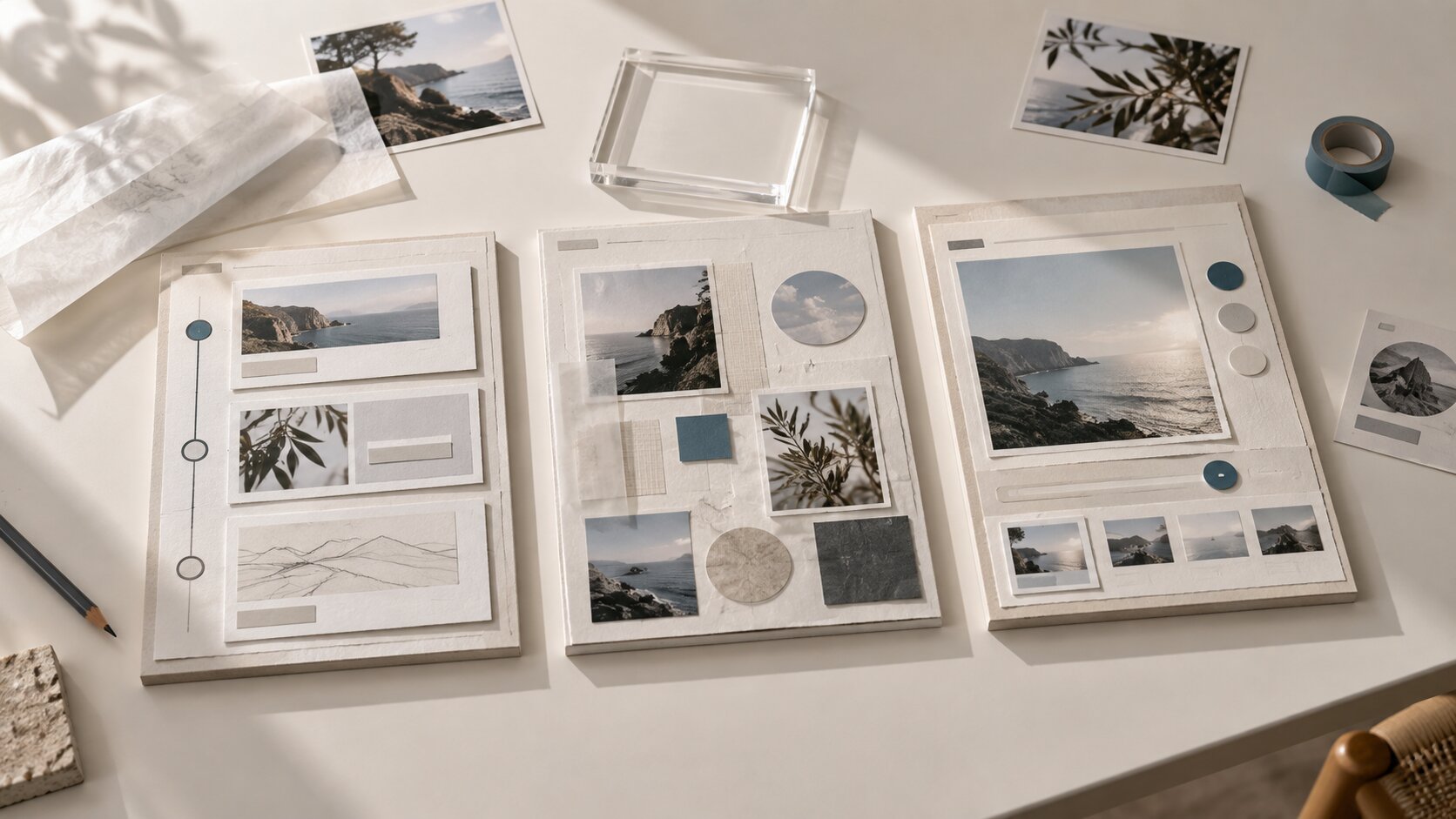
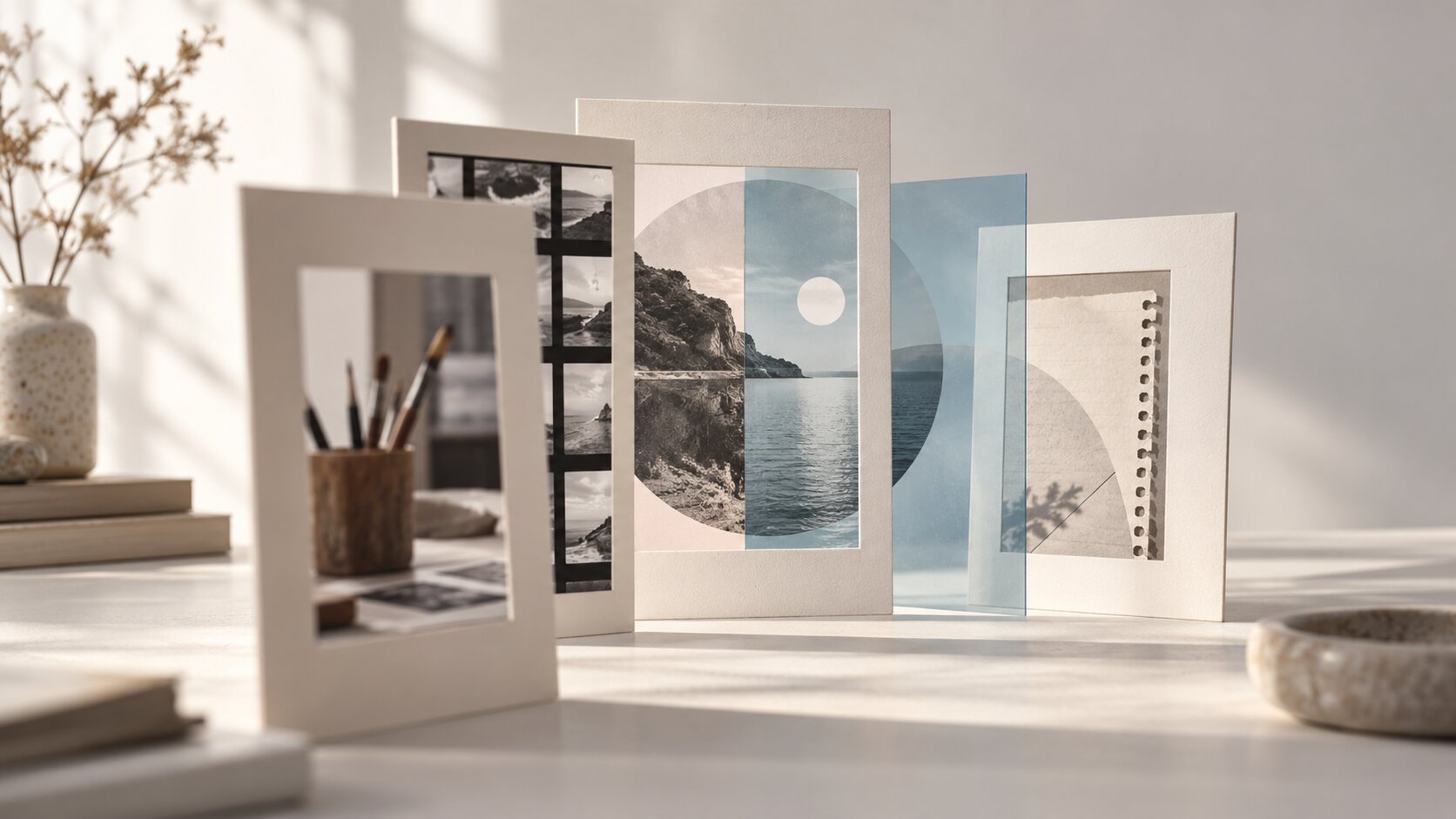
- Craft your story. Build a moodboard that captures the world your music lives in. Pull references from film, fashion, photography, and art. Pinterest works well for this.
- Create your guidelines. Document your choices in a simple style guide. Even a one-page PDF listing your colors, fonts, and photo rules will save you hours of inconsistency later.
- Test and evolve. Share visuals with a small group of fans or trusted peers. Use their reactions and your analytics to refine. Revisit your guidelines with each major release.
Pro Tip: Before you open any design tool, spend 30 minutes writing about your music as if it were a film. What does it look like? What era does it live in? That exercise will give you more creative direction than any template.
Here is a simple planning table to guide your first build:
| Step | Action | Tool suggestion |
|---|---|---|
| Define attributes | Write 5 emotional keywords | Notes app, journal |
| Develop elements | Choose colors, fonts, logo | Canva, Adobe Express |
| Craft story | Build a visual moodboard | Pinterest, Milanote |
| Create guidelines | Document rules in a style guide | Canva, Google Docs |
| Test and evolve | Gather feedback, review analytics | Instagram Insights, surveys |
For deeper reading on branding for musicians , CD Baby’s guide covers the strategic side of artist identity in practical detail. You can also explore artist style guides to see how other creators structure their visual systems.
Innovative (and free!) tools for creating musician visuals
With a plan in place, you will need modern, accessible tools. Here is how to equip yourself for visual success, no matter your skill level or budget.
The good news is that the barrier to professional-looking visuals has never been lower. These tools cover the full range of what musicians need: Canva, Lightroom Mobile, CapCut, Pinterest, Midjourney, Adobe Firefly, and Runway ML.
Here is how to think about each category:
Free and low-cost tools:
- Canva: Templates for social posts, album covers, press kits, and merch mockups. Drag-and-drop and beginner-friendly.
- Lightroom Mobile: Free photo editing with presets that keep your photography consistent across every shoot.
- CapCut: Video editing for reels, lyric videos, and short-form content. Powerful and free on mobile.
- Pinterest: Not just for inspiration. Use it to build and share moodboards with collaborators.
AI-powered tools:
- Midjourney: Generates concept art, album cover ideas, and atmospheric imagery from text prompts.
- Adobe Firefly: Integrated into Adobe products, great for generating and editing visual assets with brand consistency.
- Runway ML: AI video generation and editing for musicians who want cinematic visuals without a film crew.
The key is to pick two or three tools that fit your workflow and stick with them. Jumping between too many platforms fragments your output and slows you down. Check out visual branding trends for music to stay current on what is resonating with audiences right now.
Pro Tip: Create a dedicated folder on your device labeled with your artist name and the current era. Store your color codes, font files, logo versions, and moodboard screenshots there. Every time you create something new, pull from that folder first. Consistency gets much easier when your references are always one click away.
An AI-powered creative workspace can take this further by letting you generate, refine, and export full visual packs from a single platform, which is especially useful during a release cycle when speed and consistency both matter.
Authenticity, evolution, and the pitfalls to avoid
To future-proof your visual brand, it is critical to know not just what to do, but what to avoid and how to stay fresh and real.
The most common mistake musicians make is building a visual identity around what looks cool right now rather than what reflects their actual sound and values. Trends shift fast. An identity rooted in your genuine artistic perspective will outlast any aesthetic cycle. As music artist branding guidance consistently emphasizes: authenticity beats polish, plan for evolution, and avoid over-investing before you have nailed your sound.
Consistency builds recognition, but it does not mean staying frozen. The artists with the longest careers treat each album era as a deliberate visual chapter. The look evolves, but the underlying identity stays coherent. Think of it as updating your wardrobe, not changing your personality.
Pro Tip: Before any visual refresh, ask yourself whether the change reflects genuine artistic growth or just boredom. If it is the latter, refine rather than reinvent.
Common pitfalls to watch for:
- Constant style changes: Switching aesthetics every few months confuses fans and erases the recognition you have built.
- Over-investing too early: Spending heavily on branding before your sound is defined wastes resources and often leads to a rebrand anyway.
- Ignoring fan feedback: Your audience gives you real-time data on what resonates. Use it.
- Copying other artists: Referencing influences is fine. Replicating their visual identity signals a lack of original direction.
- Neglecting mobile formats: Most fans discover you on a phone. If your visuals do not work at small sizes, they are not working.
For a broader view of how visual identity fits into your overall promotional strategy, music marketing strategies from Berklee offer a strong foundation. Pairing that with a clear artist branding strategy gives you both the theory and the practical tools to move forward.
Supercharge your musician visuals with Orias AI
You are now equipped with knowledge and a roadmap. Here is how to put everything into practice with professional-grade creative tools built specifically for artists like you.
Building a visual identity from scratch takes time, iteration, and a clear creative direction. Orias AI is designed to make that process faster and more focused. The platform lets you bring references, emotional directions, and rough ideas into a single workspace and transform them into publish-ready visual assets, from album art and social templates to full promotional packs.
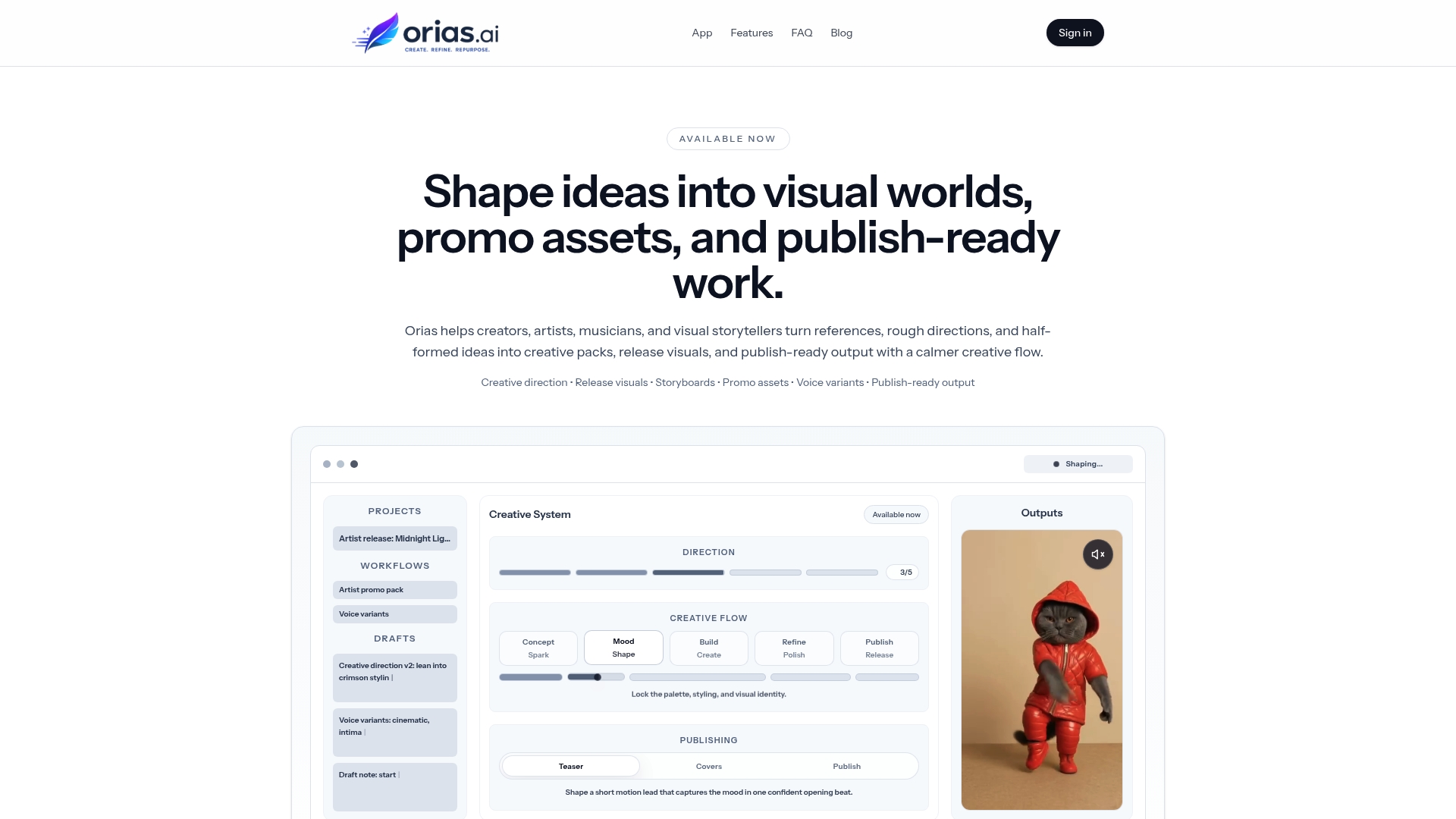
Whether you are launching a new single, preparing a campaign, or refreshing your brand for a new era, the AI creative workspace gives you the tools to generate, refine, and export visuals that stay consistent across every platform. You can test multiple directions, build moodboards, and produce release-ready content without needing a full design team. Your music deserves visuals that match its quality. Orias AI helps you get there.
Frequently asked questions
What is the first step to creating a visual identity as a musician?
Start by identifying your core values, sound, and the emotional tone you want to convey before choosing any visual elements. Getting clear on your artistic identity first prevents a mismatch between your music and your look.
How often should I update my musician visual identity?
Intentionally evolve your visuals with each album era or major project, using fan feedback and analytics to guide changes. Deliberate evolution prevents staleness while maintaining the recognition you have already built.
Do I need expensive software to create professional visuals?
No. Free and AI-powered tools like Canva, Lightroom Mobile, and Midjourney let you create impressive branding assets at any budget level.
How do visuals impact fan engagement?
Visual storytelling generates up to 1200% more social shares than text-based content, and consistent branding helps fans recognize and emotionally connect with you across every platform they use.