How marketers use concept art to elevate campaigns
Learn how marketers use concept art, mood boards, and AI tools to build faster, more cohesive visual campaigns with clear creative direction and stronger results.

TL;DR:
- Marketers use concept art to define campaign visuals, tone, and storytelling early in the process.
- AI accelerates concept generation, enabling rapid testing of multiple visual directions with reduced costs.
- Human review and hands-on editing are crucial to maintain brand consistency and emotional connection.
Table of Contents
- What is concept art in marketing?
- The concept art pipeline: Adapting creative workflows for marketing
- Supercharging campaign ideation with AI tools
- From concept to campaign: Mood boards, testing, and team alignment
- Why marketers shouldn’t skip hands-on editing in the AI era
- Bring your vision to life with Orias AI
- Frequently asked questions
Key Takeaways
| Point | Details |
|---|---|
| Rapid visual ideation | Concept art helps marketers quickly test and develop campaign visuals before production. |
| AI accelerates output | AI tools can generate campaign concepts and mood boards 10 times faster with consistent results. |
| Art direction is critical | Human expertise ensures that AI-generated visuals align with brand values and campaign intent. |
| Team alignment | Mood boards and clear reference decks keep creative teams and stakeholders on the same page. |
What is concept art in marketing?
In entertainment, concept art is the visual blueprint created before production begins. A character designer sketches dozens of variations before a single frame is animated. In marketing, the principle is identical, but the output looks different. You’re not designing a dragon. You’re defining the visual language of a product launch, a brand refresh, or a seasonal campaign.
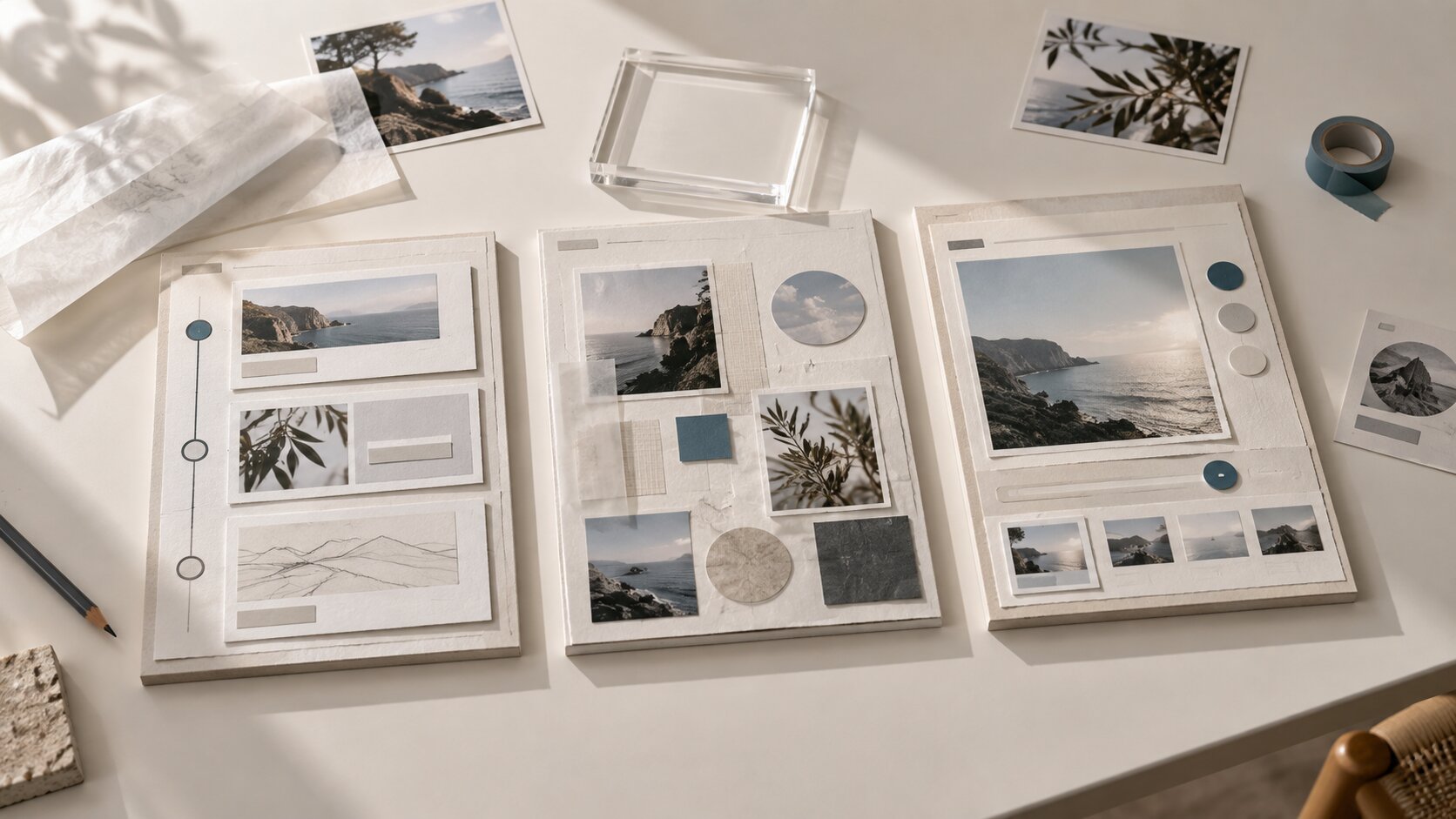
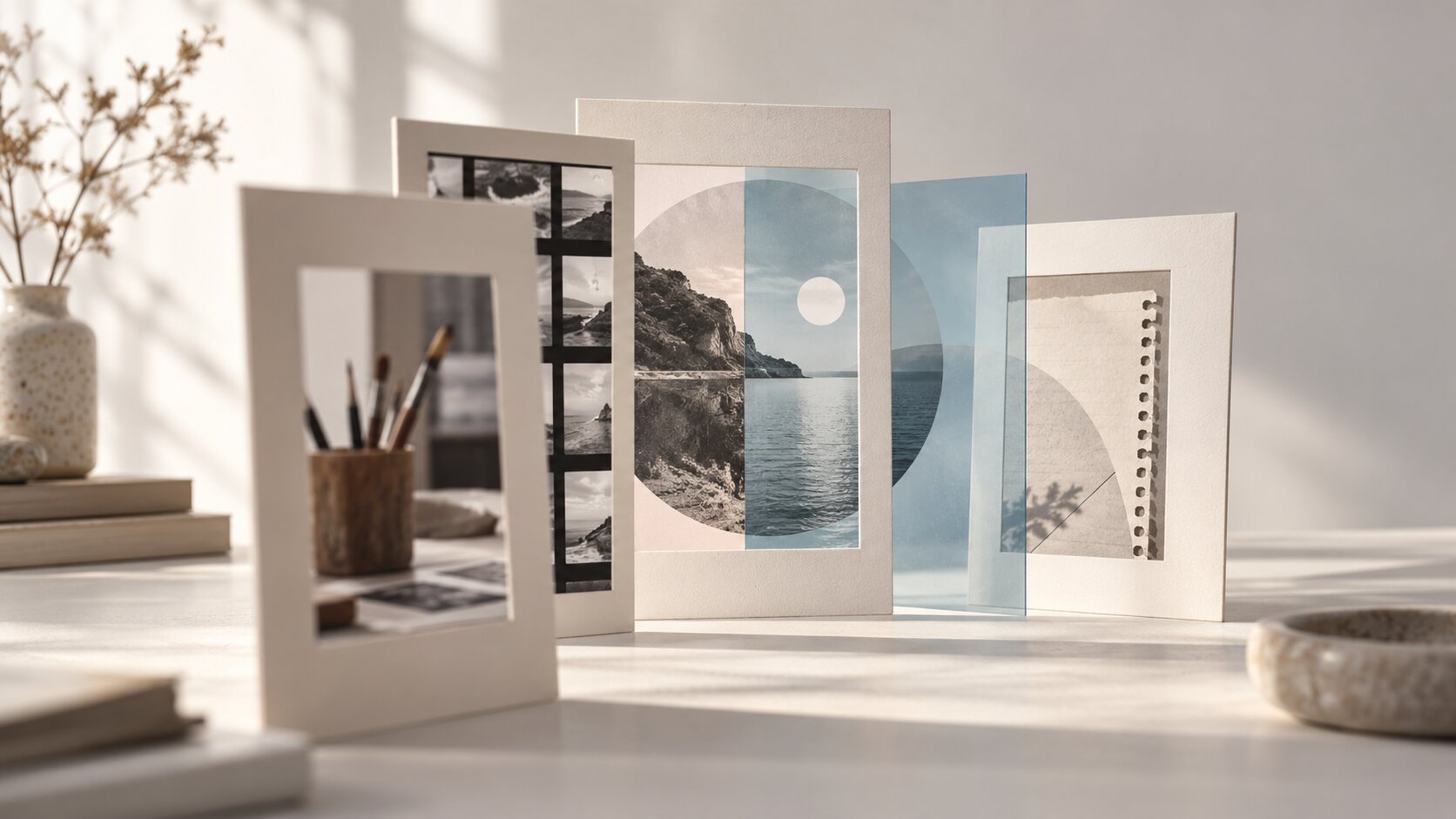
Concept art in marketing involves creating initial visual representations, often as mood boards or AI-generated images, to define campaign aesthetics, tone, and storytelling direction. That definition covers a wide range of deliverables: rough color studies, typographic explorations, AI-generated scene references, and curated image collections. The goal is always the same: establish a shared visual understanding before anyone spends serious time or budget on execution.
“Mood boards are essential tools, curating references for color, typography, imagery, and textures to align teams on visual direction, preventing misaligned executions.”
The common misconception is that concept art is only relevant for designers or creative directors. In reality, it’s a communication tool. When a brand manager presents a mood board to a media buyer or a copywriter, they’re giving those collaborators a shared frame of reference. That alignment reduces back-and-forth, shortens review cycles, and produces more cohesive output.
Here’s what concept art in marketing typically delivers:
- Faster ideation: Visual references accelerate decision-making more than written briefs alone
- Consistent tone: A defined visual palette prevents creative drift across channels
- Clearer direction: Teams spend less time guessing and more time executing
- Stakeholder buy-in: Visual mockups are easier to approve than abstract descriptions
For marketers exploring visual storytelling ideas, concept art is the starting point that makes everything downstream more efficient and more effective.
The concept art pipeline: Adapting creative workflows for marketing
With this foundational understanding, it’s vital to see how concept art translates into a practical, structured workflow. In entertainment, the pipeline is well-established. For marketers, it needs slight adaptation, but the core logic holds.
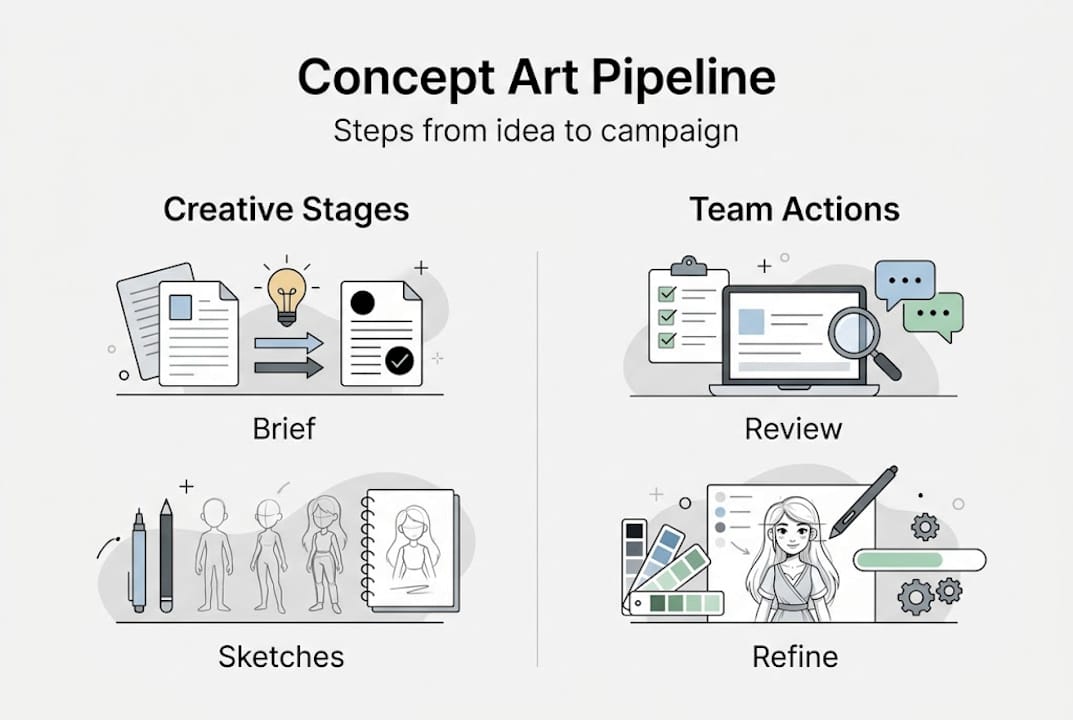
Key methodologies include a pipeline from brief to thumbnails, detailed sketches, color studies, and final rendering. For marketers, this adapts to AI prompts specifying audience, setting, mood, and format for rapid concept generation. Here’s how that looks in practice:
- Campaign brief: Define the objective, target audience, core message, and channel requirements before touching any visual tool
- Thumbnail concepts: Generate quick, low-fidelity sketches or AI image variations to explore multiple directions simultaneously
- Rough development: Expand the strongest thumbnails into more detailed compositions, testing layout and hierarchy
- Color and value studies: Apply color palettes, lighting direction, and typographic tone to shortlisted concepts
- Polished concept art: Produce a refined reference set that serves as the visual brief for production teams
| Pipeline stage | Traditional approach | AI-assisted approach |
|---|---|---|
| Brief | Written document | Written + visual prompt framework |
| Thumbnails | Hand sketches | AI-generated image batches |
| Roughs | Manual illustration | AI drafts with human edits |
| Color studies | Painted comps | AI color variations |
| Final concept | Illustrated reference | Curated AI output + human polish |
AI accelerates the thumbnail and rough stages significantly. You can generate twenty directional concepts in the time it used to take to sketch three. But the human judgment layer remains critical at every stage. Someone still needs to evaluate which directions serve the campaign objective and which ones just look interesting.
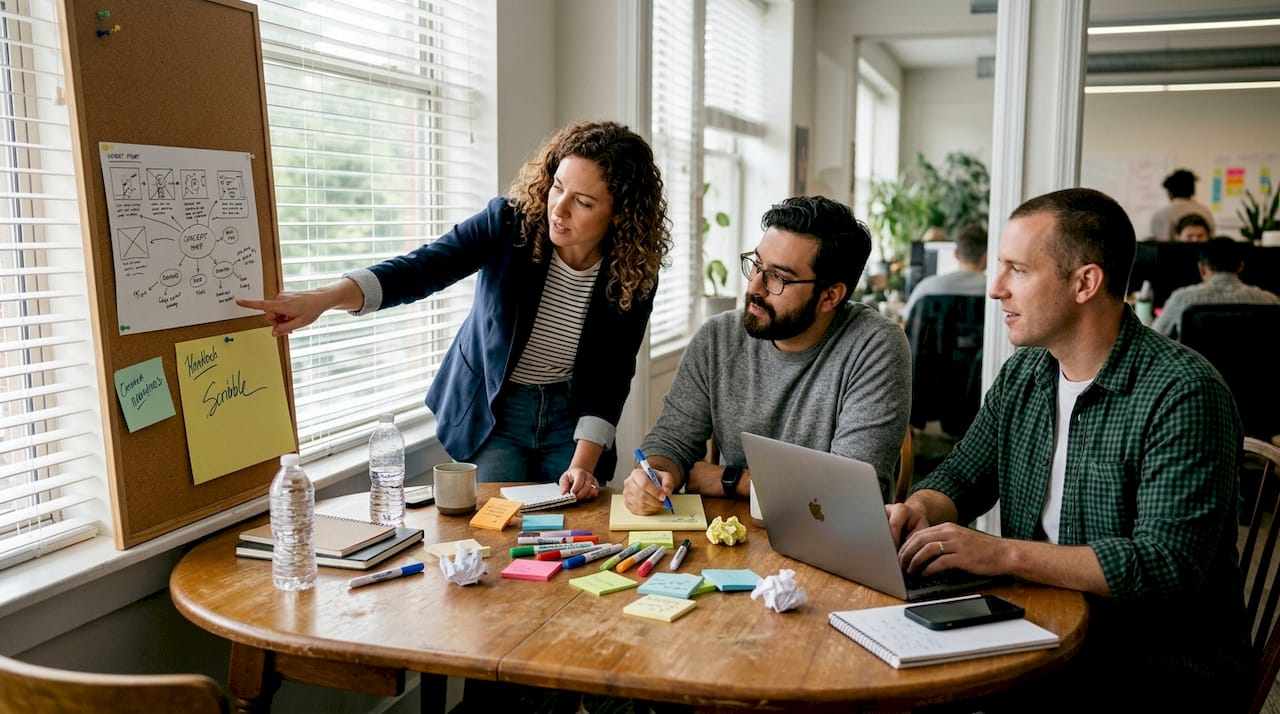
Pro Tip: Always anchor your pipeline to the campaign objective and core audience before generating a single image. A visually stunning concept that doesn’t connect with your target audience is a distraction, not a direction.
Following creativity best practices during this stage means treating the pipeline as iterative, not linear. You’ll loop back, discard directions, and refine. That’s not inefficiency. That’s how strong visual concepts are built.
Supercharging campaign ideation with AI tools
Once you’ve mapped out your workflow, the next step is selecting and applying tools that radically boost your capacity. AI has changed the economics of concept art for marketers in a meaningful way.
AI tools like Pollo AI and Scenario enable generating ad concepts and mood visuals, scaling content output tenfold while maintaining brand consistency. That’s not a marginal improvement. It’s a structural shift in what small teams can produce.
Consider this: one well-documented campaign produced 27,000 personalized visual assets in two days using AI-assisted concept generation. That volume would have required months of manual production work. The key wasn’t just speed. It was the ability to test more visual hypotheses before committing to a final direction.
AI vs. manual concept development at a glance:
| Factor | Manual process | AI-assisted process |
|---|---|---|
| Speed | Days to weeks | Hours to days |
| Variation volume | Limited by hours | Scalable on demand |
| Consistency | Depends on team | Guided by prompt structure |
| Brand fit | High with experienced team | Requires human review |
| Cost per concept | High | Low |
When building prompts for campaign concept generation, include these elements:
- Audience descriptor: Who is this for, and what emotional state are you targeting?
- Setting and context: Where does this visual live, and what surrounds it?
- Mood and tone: Energetic, calm, aspirational, grounded?
- Format requirements: Aspect ratio, channel, text overlay needs
- Brand reference: Color palette, typographic style, visual precedents
For a deeper look at scaling your promo visuals guide, prompt quality is the variable that separates generic output from genuinely useful concept art. Vague prompts produce vague results. Specific prompts produce specific directions you can actually use.
Marketers working on music release visuals have found that AI concept tools work especially well when the emotional direction is clearly defined upfront, reducing the number of revision cycles significantly.
From concept to campaign: Mood boards, testing, and team alignment
Even with powerful tools, successful campaigns require human guidance and alignment across teams. Mood boards are where concept art becomes a collaboration tool rather than a solo creative exercise.
Mood boards curate references for color, typography, imagery, and textures to align teams on visual direction, preventing misaligned executions. But the best mood boards go beyond obvious stock imagery. They include what practitioners call lateral references: images that share the visual logic of your campaign without depicting it literally.
For example, if you’re building a campaign for a premium fitness brand, a lateral reference might be a photograph of a quiet mountain trail at dawn. It’s not a gym. It’s not a product shot. But it communicates the emotional register you’re after: focused, disciplined, serene. Expert guidance on concept testing confirms that lateral references produce stronger boards because they communicate feeling rather than just category.
Best practices for mood board development:
- Pull references from outside your industry to avoid category clichés
- Include texture and material references alongside imagery
- Annotate each reference with a short note explaining why it’s included
- Limit boards to 12 to 20 references to maintain focus
- Present boards with a short verbal walkthrough to give context
For concept testing, two methods work well in marketing contexts. Monadic testing shows one concept to one group and measures response independently. Sequential testing shows multiple concepts to the same group and captures preference. Both approaches give you data to support creative decisions rather than relying solely on internal opinion.
Pro Tip: Assign a human art director to review all AI-generated output before it reaches a mood board or stakeholder presentation. AI can produce visually impressive results that are subtly off-brand or emotionally misaligned. A trained eye catches those issues before they become expensive problems.
Building a strong visual identity guide alongside your mood board process ensures that your concept art work feeds directly into long-term brand consistency. A streamlined creative workflow ties these stages together so nothing falls through the gaps between ideation and execution.
Why marketers shouldn’t skip hands-on editing in the AI era
Here’s the hard-won lesson most marketers overlook when they first adopt AI tools: speed is seductive, and it can make you skip the editing step entirely. That’s where campaigns go wrong.
Traditional pipelines emphasize iteration and human taste. AI enables speed but requires guardrails for quality. Some practitioners prefer working from Figma clones and manual iteration specifically to develop taste, because taste is not something a model generates. It’s something a person cultivates through repeated judgment calls.
When AI output goes unreviewed, the result is what the industry now calls “AI slop”: technically competent visuals that feel generic, emotionally flat, or inconsistent with the brand’s actual personality. Several high-profile campaigns have faced public criticism not because the visuals were technically poor, but because they felt hollow. The audience sensed the absence of human judgment.
Hands-on editing does more than catch errors. It’s where you make the work yours. You adjust the crop, shift the color temperature, change the typographic weight. Each of those decisions encodes brand judgment that no prompt can fully specify. Following a structured creative workflow that builds in mandatory editing checkpoints keeps that judgment present at every stage. AI handles the volume. You handle the meaning.
Bring your vision to life with Orias AI
If you’re ready to put these workflows into practice, Orias AI Creative Workspace is built for exactly this kind of work. It transforms rough references, emotional directions, and creative briefs into publish-ready visual and promotional assets, without the overhead of managing multiple disconnected tools.
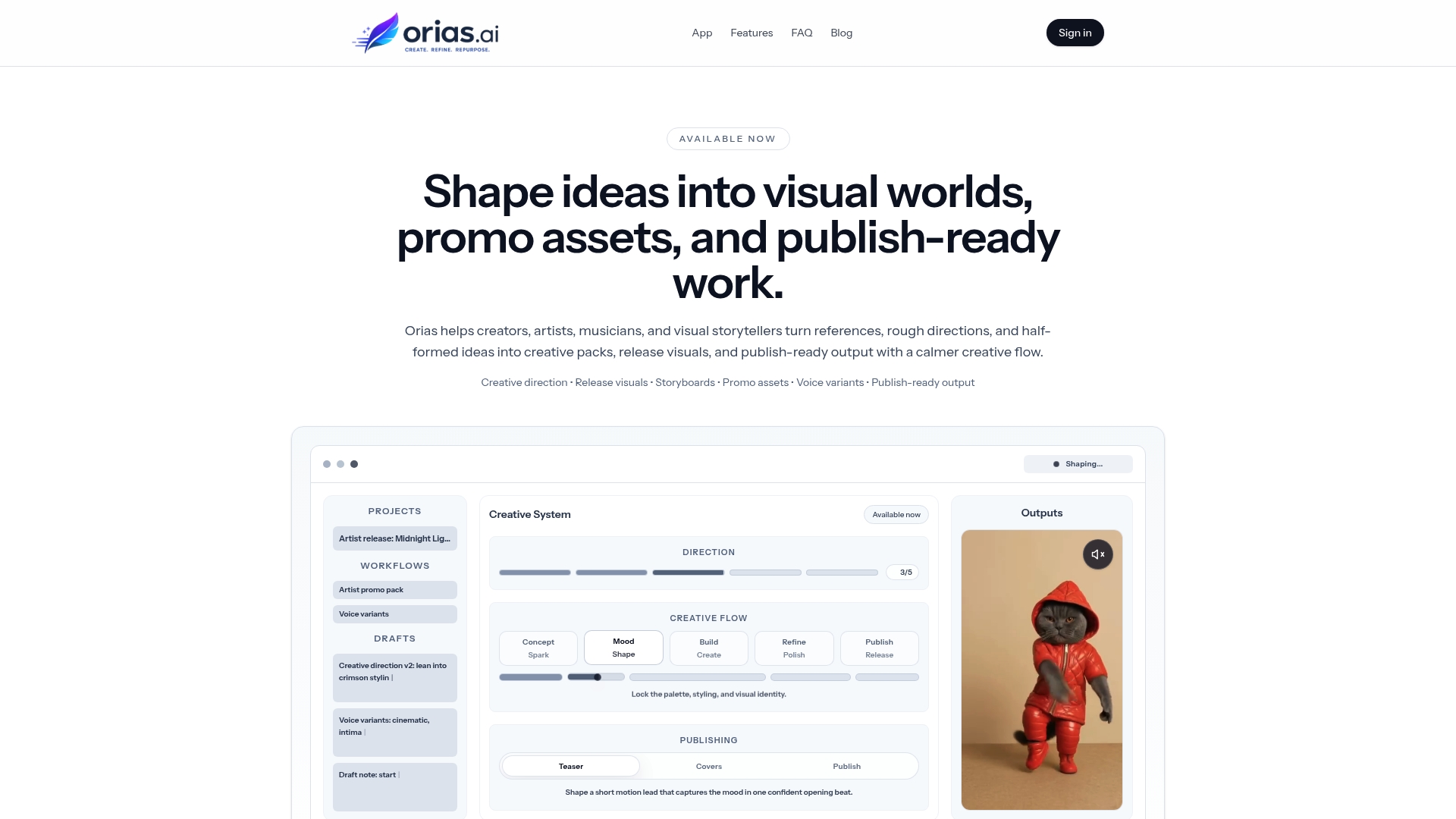
Orias AI supports the full concept-to-campaign pipeline: developing visual directions, generating variants, refining assets, and exporting campaign-ready packs. For marketers who want to move faster without sacrificing visual consistency or brand fit, it’s a practical next step. You bring the creative direction. Orias AI handles the production lift, so you spend more time on judgment and less time on manual assembly.
Frequently asked questions
What makes concept art valuable for marketers?
Concept art defines campaign aesthetics and storytelling direction before full production begins, which accelerates visual planning and prevents costly creative misalignment down the line.
How does AI improve the marketing concept art process?
AI tools scale content output tenfold while maintaining brand consistency, allowing teams to explore far more visual directions in a fraction of the time a manual process would require.
What are the risks of over-relying on AI for concept art?
Without human review, AI outputs can feel generic or emotionally off-brand. Human art direction post-generation is essential to avoid flat, unchecked visuals that fail to connect with your audience.
What is a mood board, and why is it important?
A mood board curates references to align teams on visual direction, covering color, style, and imagery, so everyone working on a campaign shares the same creative frame of reference before production starts.