Promo assets for musicians: Essential tools for impactful releases
Discover the essential promo assets every musician needs for impactful releases, from cover art specs to innovative formats, workflows, and campaign strategies.
TL;DR:
- Effective music promotion requires high-quality visual assets that reinforce your brand and engage audiences.
- Innovative formats like motion artwork, 3D packshots, and behind-the-scenes content are key trends in 2026.
- Early planning, multi-platform campaigns, and consistent branding are essential for building sustainable music careers.
In a landscape where thousands of tracks drop every single day, your promo assets—the visual and content materials that package and present your music—are often the deciding factor between getting heard and getting ignored. This guide covers the core assets every artist needs, the emerging formats gaining traction in 2026, step-by-step workflows for building and sharing them, the most common mistakes that sink campaigns, and the mindset shift that makes all of it stick.
Table of Contents
- Core promo assets every musician needs
- Innovative promo assets and emerging trends
- Building and sharing assets: Timeline, workflows, and best practices
- Avoiding pitfalls: Common mistakes and overlooked opportunities
- A creative perspective: Why authenticity and systems outperform viral hype
- Promote your music with next-gen creative tools
- Frequently asked questions
Key Takeaways
| Point | Details |
|---|---|
| Cover the essentials | Every musician needs quality cover art, EPKs, and platform-ready visuals for their releases. |
| Leverage new formats | Motion graphics, behind-the-scenes content, and merch integration greatly amplify music promotion. |
| Plan and organize early | Batch and prepare all promo assets well ahead of releases for smoother campaign execution. |
| Avoid common pitfalls | Steer clear of low-res files, single-channel strategies, and skipping merch opportunities, which limit your reach. |
| Consistency beats virality | Regular, authentic promo efforts and systems lead to more lasting success than chasing viral moments. |
Core promo assets every musician needs
Professional releases don’t just sound ready. They look ready. Before your music reaches a blog editor, a playlist curator, or a new fan scrolling at midnight, your visual assets speak for you. Getting these right is foundational, not optional.
Core promo assets for a complete release kit include:
- Cover artwork (3000x3000px, RGB color, 300 DPI minimum)
- Vertical social images (1080x1920px for Stories and Reels)
- Spotify Canvas (looping video, 8 seconds, vertical format)
- Press photos (hi-res, 300 DPI, varied backgrounds)
- Electronic Press Kit (EPK) with bio, links, embeddable player, and contact
- Hook videos (15 to 30 seconds for short-form platforms)
- Lyric videos (great for YouTube watch time and fan engagement)
- Gig posters (both digital and print-ready versions)
- Animated packshots for ads and email campaigns
Each of these serves a distinct purpose and reaches a different audience touchpoint. Your cover art sells the release at a glance. Your EPK convinces a venue or journalist to take you seriously. Your Spotify Canvas keeps listeners on the track longer, which directly affects algorithmic sharing. These are not decorative extras. They are functional tools.
| Asset | Primary use | Key spec |
|---|---|---|
| Cover artwork | Streaming, press | 3000x3000px, 300 DPI |
| Vertical social image | Instagram, TikTok | 1080x1920px |
| Spotify Canvas | Stream retention | 8-sec loop, vertical |
| Press photo | Media, EPK | 300 DPI, hi-res |
| Hook video | Short-form reach | 15-30 seconds |
Visual quality and consistency across all assets reinforce your brand recognition. When every touchpoint looks like it belongs to the same release, you signal professionalism. That matters to press, partners, and fans alike. For specific visual tips for music releases, matching your color palette and typography across assets creates a cohesive campaign identity. Building a visual identity from the start also saves time when producing variants later.
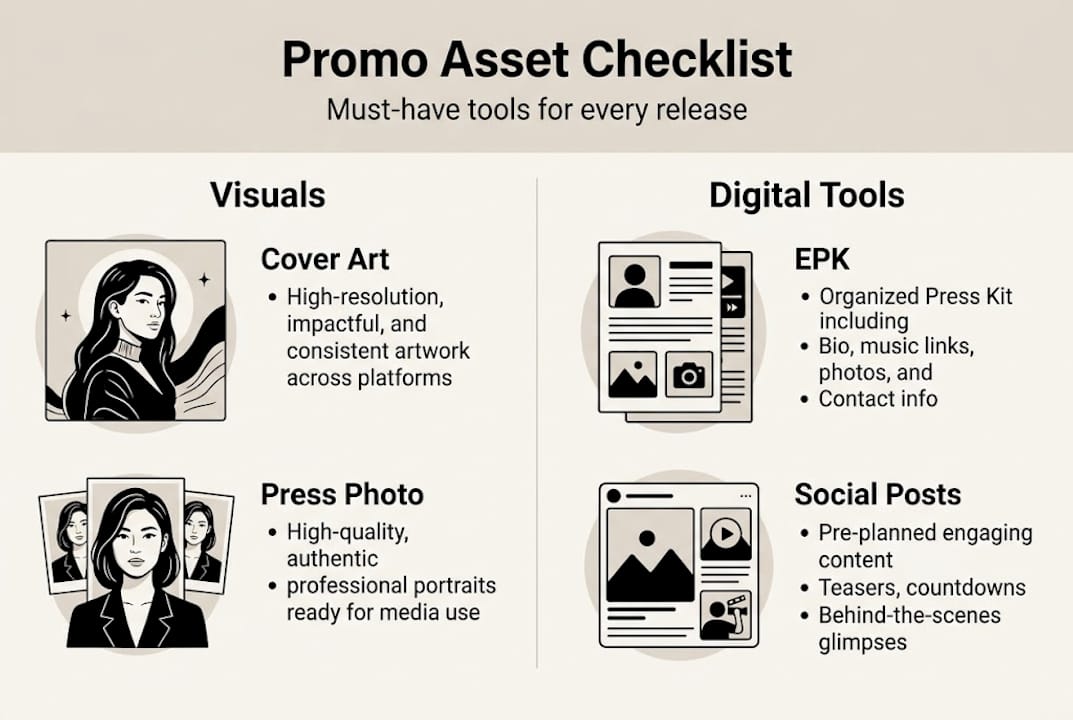
Not sure what to put in an EPK? Start with your artist bio, a high-quality press photo, streaming links, notable press quotes, and booking contact information. Resources on writing press releases for a new album can help you structure the narrative side of your kit clearly.
For a broader look at formatting and deployment, the promo visuals guide covers platform-specific requirements in more detail.
Innovative promo assets and emerging trends
The foundational assets get you in the room. The innovative ones help you stand out once you’re there. In 2026, a new set of formats is reshaping how artists connect with audiences before, during, and after a release.
Motion artwork, 3D packshots, authentic behind-the-scenes content, and merch integration are changing music branding in measurable ways. Here’s what’s gaining the most traction right now:
- Animated or motion artwork: A static cover looping with subtle movement outperforms still images in feed engagement. Even simple parallax effects catch the eye.
- 3D packshot renders: Especially effective for limited edition vinyl or physical drops. They create a sense of product weight and desirability.
- Behind-the-scenes content: Studio moments, rough takes, and candid rehearsal clips perform well because they feel real. Fans engage more when they see the process, not just the polished result.
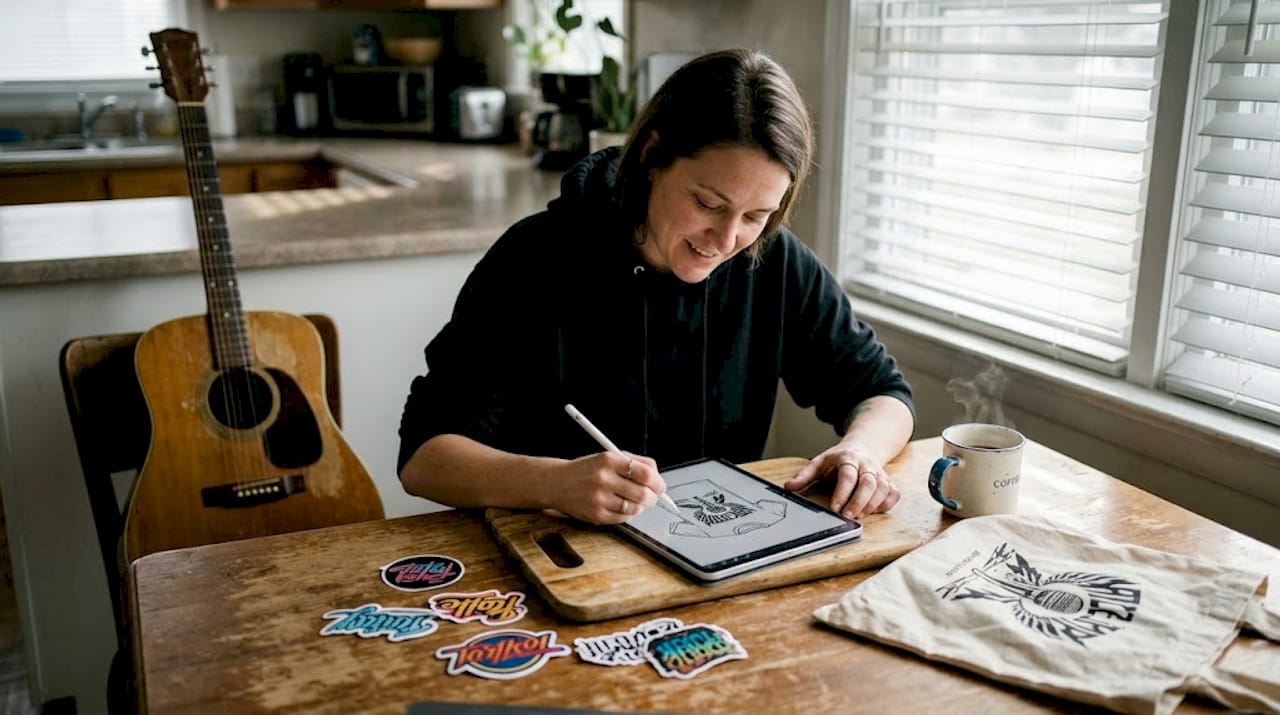
- Merch as a promo asset: A well-designed shirt or poster isn’t just merchandise. It’s a walking ad that signals belonging to a community.
| Format | Platform fit | Engagement benefit |
|---|---|---|
| Motion artwork | Instagram, TikTok | Higher stop rate in feed |
| 3D packshot | Email, ads | Tactile product appeal |
| BTS clips | YouTube Shorts, Reels | Authenticity, loyalty |
| Merch visuals | All channels | Brand extension, revenue |
The promo visuals trends point clearly toward formats that move, breathe, and feel personal. The artists gaining momentum are those who treat their visual output as part of the creative work, not an afterthought.
Pro Tip: You don’t need a production team to create motion artwork. Simple animation tools and AI-assisted design platforms can generate looping visuals from your cover art in minutes. Batch several variants at once so you have options for different platforms.
Merch is worth singling out here. It’s often treated as a revenue play, but it functions just as powerfully as a branding tool. A fan wearing your shirt at a festival or posting an unboxing clip generates organic reach that no paid ad can fully replicate.
Building and sharing assets: Timeline, workflows, and best practices
Even the best assets fail when they’re delivered wrong or at the wrong time. Timing and organization are what separate a campaign that builds momentum from one that flatlines at launch.
Here’s a practical timeline and workflow to follow:
- 8 weeks out: Lock in your cover art, Spotify Canvas, and press photos. Register your ISRC codes and confirm metadata (track titles, featured artists, publishing splits) before anything else moves forward.
- 6 weeks out: Prepare assets and upload everything into organized cloud folders (Google Drive or Dropbox work well). Create separate subfolders for hi-res press files, social-ready crops, and video content.
- 5 weeks out: Start pitching your EPK to blogs, playlist curators, and press contacts. Include a smart link to your streaming pre-save, not a file attachment. Editors delete attachments. They click links.
- 3 weeks out: Begin scheduling your social content queue. Use batched posting to maintain consistency without daily manual effort.
- 1 week out: Activate your pre-save campaign and push your hook video to all short-form channels. This is also the time to send your final press release.
“Assets should be prepped and shared in organized cloud folders 6 to 8 weeks pre-release, no email attachments, with pitching and smart linking for streaming.” This approach consistently outperforms rushed, last-minute campaigns.
A structured creative workflow for YouTube applies similar batching logic, and those same principles translate directly to music release campaigns. Looking at digital content workflows more broadly also reveals how producers and labels keep releases on track across large teams.
For deeper strategy framing, music marketing strategies from Berklee offer a strong structural foundation for how to think about release campaigns at different budget levels.
Pro Tip: Build a master asset checklist at the start of every campaign. Check off each item as it’s created, formatted, and uploaded. It sounds basic, but this single habit prevents the last-minute scramble that causes artists to skip crucial assets.
Avoiding pitfalls: Common mistakes and overlooked opportunities
Strong planning doesn’t guarantee a smooth campaign. There are predictable points where artists consistently lose ground, and most of them are avoidable with a bit of foresight.
Here are the most damaging mistakes and the overlooked opportunities that go with them:
- Submitting low-res artwork. Low-res artworks risk press kit rejection, and once a blog or label passes on your submission, they rarely come back. Always export at the required spec.
- Skipping the pre-save campaign. Missing pre-save reduces campaign impact significantly, especially for first-week numbers. Streaming algorithms factor early saves into their recommendation behavior.
- Going single-channel. Relying on one platform for all your outreach is a structural weakness. Multi-channel campaigns consistently outperform single-channel approaches, even when the individual platforms have smaller audiences.
- Chasing virality over consistency. One spike is not a career. Consistent systems give more ROI than occasional viral moments every time you measure them over a six-month window.
- Ignoring merch. Merch can exceed streaming revenue for independent artists, and treating it as an afterthought means leaving both money and brand equity on the table.
“Consistency matters more than virality.” The artists who build sustainable careers are usually not the ones who went viral once. They’re the ones who showed up with quality assets, on schedule, across multiple channels, release after release.
One of the most overlooked opportunities is reviving back catalog material with short-form content. Older tracks can find entirely new audiences through a well-timed clip or a creative reframe. Captions in music marketing also play a bigger role than most artists realize, with optimized caption copy significantly boosting engagement rates on the same visual content.
A creative perspective: Why authenticity and systems outperform viral hype
Here’s something worth saying plainly: the myth of the one-hit viral breakthrough is mostly a story told in hindsight. It feels like the music got discovered and everything followed from that moment. What that narrative leaves out is the sustained body of work, the consistent posting, and the organized asset library that gave the algorithm something to work with.
The musicians who build lasting visibility are not necessarily the most talented in a technical sense. They are the ones who show up repeatedly with content that looks and sounds like a coherent creative identity. They have a magnetic visual identity that makes their releases instantly recognizable. They communicate with fans regularly through merch, newsletters, and authentic behind-the-scenes content, not just release announcements.
Authenticity, it turns out, is also a system. It requires deciding in advance what you stand for visually and emotionally, then executing that decision consistently. The artists who treat promo assets as an extension of their creative voice, rather than a marketing chore, are the ones who build real loyalty. That loyalty is what sustains a career between viral spikes.
Promote your music with next-gen creative tools
Once you understand the full scope of what a release campaign requires, the next question is how to produce all of it without burning out or blowing your budget. That’s where the right creative tools make a real difference.
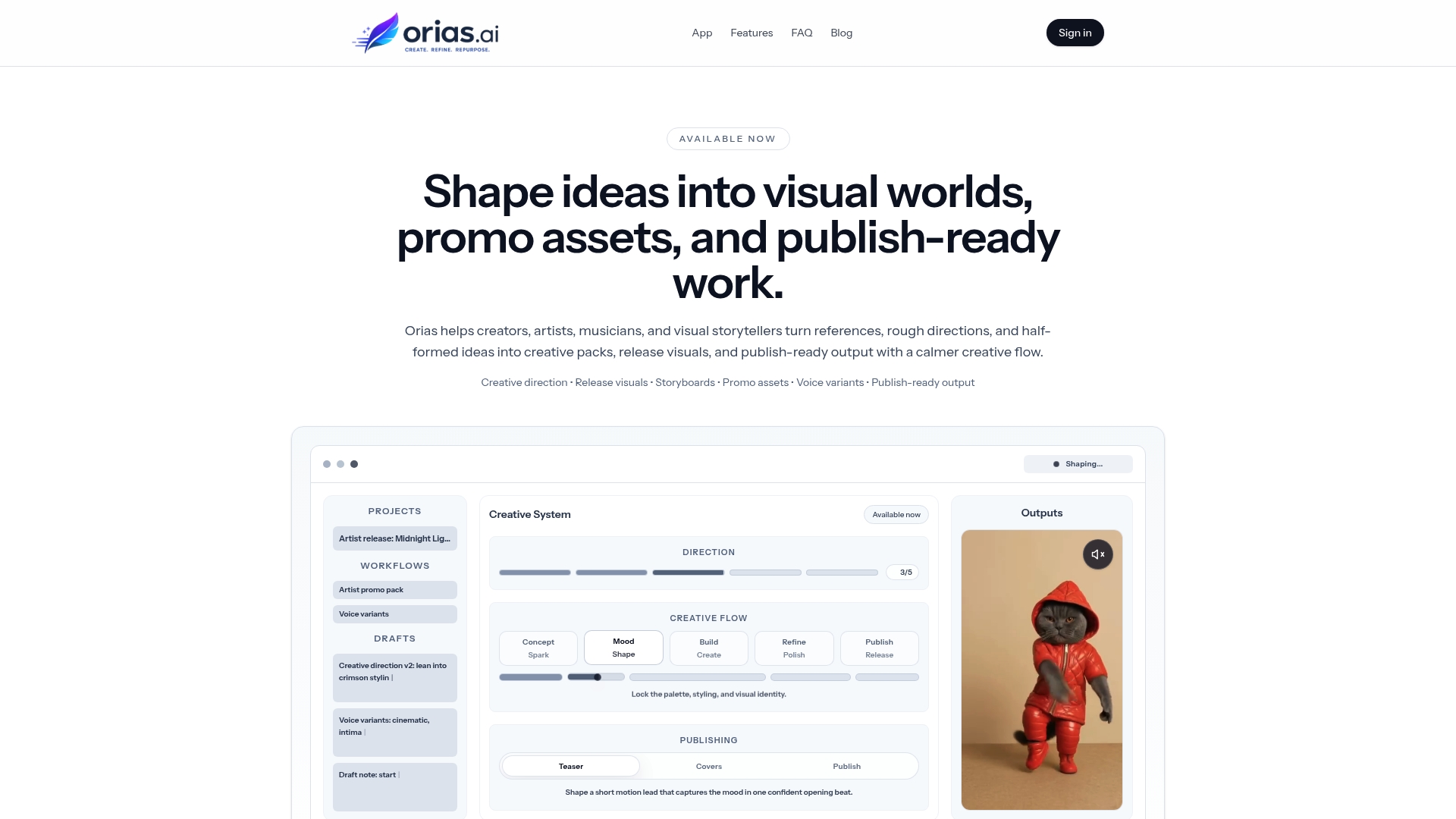
Orias.ai is built specifically for musicians and creators who need to produce, organize, and export professional promo assets without a full production team behind them. From cover art variants to motion visuals and caption packs, the platform supports batch production and multi-format exports, so sharing assets with venues, blogs, and fans is straightforward. You can stay on-brand and consistent across every channel, even when you’re working solo. Explore more practical strategies and tutorials on the creative workflows blog to keep your next release moving forward.
Frequently asked questions
What are the most important promo assets musicians need for a release?
Cover artwork, EPK, social visuals, short-form videos, and an organized press kit are essential for every modern music release. Core promo assets like Spotify Canvas and press photos round out a complete campaign kit.
How far in advance should musicians prepare promo assets?
Start preparing promo assets at least 6 to 8 weeks before your release for best results. Preparing assets early gives you time to pitch press, activate pre-saves, and schedule content without rushing.
Can musicians promote new music without a budget?
Yes, using well-organized free tools like EPKs and cloud sharing can drive strong results even on a $0 campaign. Budget-free campaigns are viable when the content quality and planning are solid.
What technical specs are required for music promo assets?
Press photos should be 300 DPI, cover artwork 3000x3000 pixels, and all social images optimized for vertical formats. Getting technical specs right prevents rejection from press outlets and streaming platforms.
Is merch really more valuable than streaming for musicians?
Often, yes. Merch revenue can exceed streaming income for independent artists, and it also strengthens fan connection in ways that passive listening cannot.