The Visual Proof Layer: Making Product Claims Easier to Believe
Support product claims with demonstrations, comparisons, customer evidence and honest visuals that make creative marketing easier to trust.
TL;DR:
- A product claim becomes more believable when people can see what it means and under which conditions it holds true.
- Build each campaign around one clear claim and one matching proof asset, such as a demonstration, comparison, close-up, sequence, or real customer example.
- AI can help plan, edit, and adapt visual evidence, but it should never invent results, testimonials, customer experiences, or product performance.
A polished image can make a product look desirable.
That is not the same as making a product claim believable.
Imagine a creative tool promising consistent visuals across every channel. A glossy hero image may set the right mood, but it does not prove consistency.
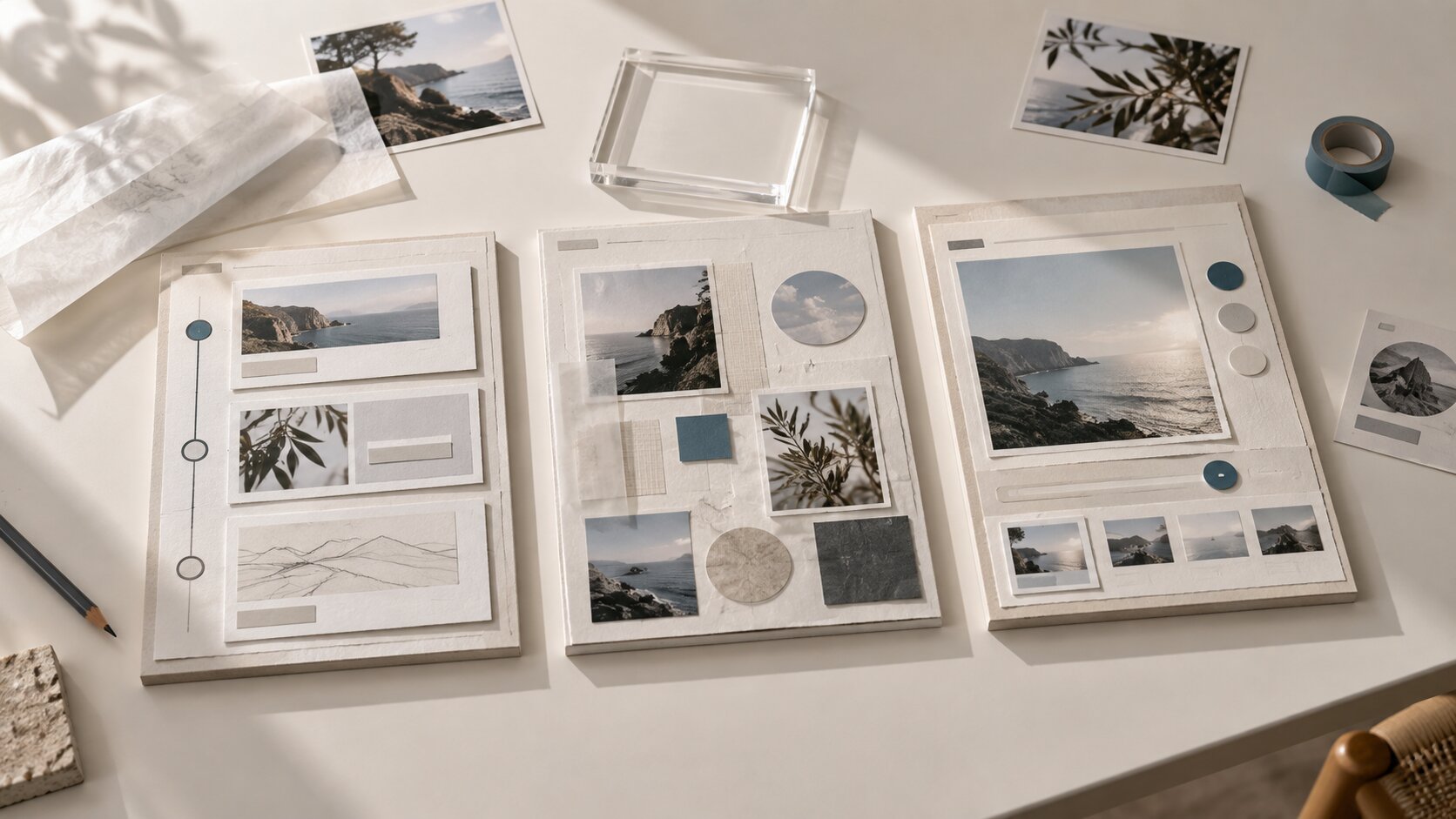
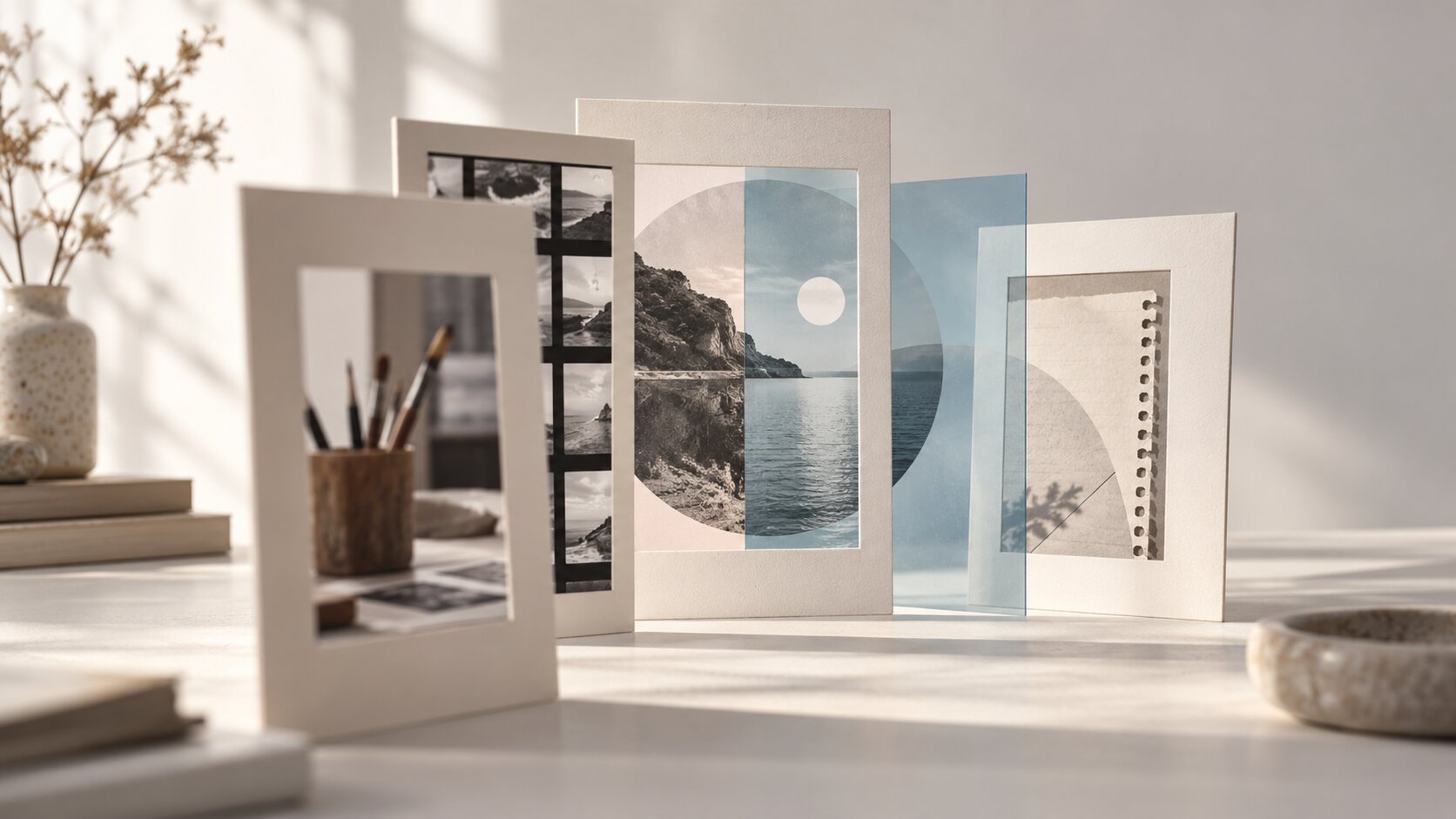
A stronger asset shows the same creative idea carried through a square release cover, a vertical story, a wide campaign banner, and a short promotional clip. Now the viewer has something concrete to judge.
That extra evidence is the visual proof layer.
It sits between the claim and the call to action, answering the question a cautious viewer is already asking: “Can I see that for myself?”
This guide explains how creators, artists, musicians, product teams, and visual storytellers can build proof into product pages, launch campaigns, social content, and AI-assisted creative workflows without turning everything into a dry technical demonstration.
Table of Contents
- Key Takeaways
- Turn Every Claim Into a Question People Can Check
- Choose Proof That Fits the Promise
- Capture Evidence Before You Design the Campaign
- Make Product Demonstrations Honest and Easy to Read
- Use AI to Clarify Evidence, Not Manufacture It
- Keep the Proof Intact Across Every Format
- Run a Visual Proof Check Before Publishing
- Where Orias AI Fits Into a Proof-Led Workflow
- Frequently Asked Questions
- Sources Used
Key Takeaways
| Point | Details |
|---|---|
| One claim needs one clear proof | Do not ask one image or video to prove speed, quality, ease of use, flexibility, and value at the same time. |
| Proof must fit the promise | Performance needs a demonstration, appearance needs detail, and consistency usually needs a connected sequence. |
| Conditions matter | Show what changed, what stayed fixed, and which parts of the result may depend on the input, setup, skill, or environment. |
| AI should support the evidence | Use AI for planning, editing, visual exploration, and repurposing, not for inventing outcomes or customer experiences. |
| Repurposing must preserve meaning | Recompose the evidence for each platform without cropping away the detail that makes the claim credible. |
Turn Every Claim Into a Question People Can Check
Start with the sentence you want the audience to believe.
Then rewrite it as a question.
“Creates a complete release campaign” becomes: What assets are actually included?
“Easy to use” becomes: How many steps does a normal task take?
“Built for consistent visual storytelling” becomes: Does the identity remain recognisable across different formats?
This small change makes the creative brief much more useful. Instead of asking a designer or AI tool for something that feels premium, you are asking for evidence that resolves a specific doubt.
| Claim | Viewer’s Question | Useful Visual Proof |
|---|---|---|
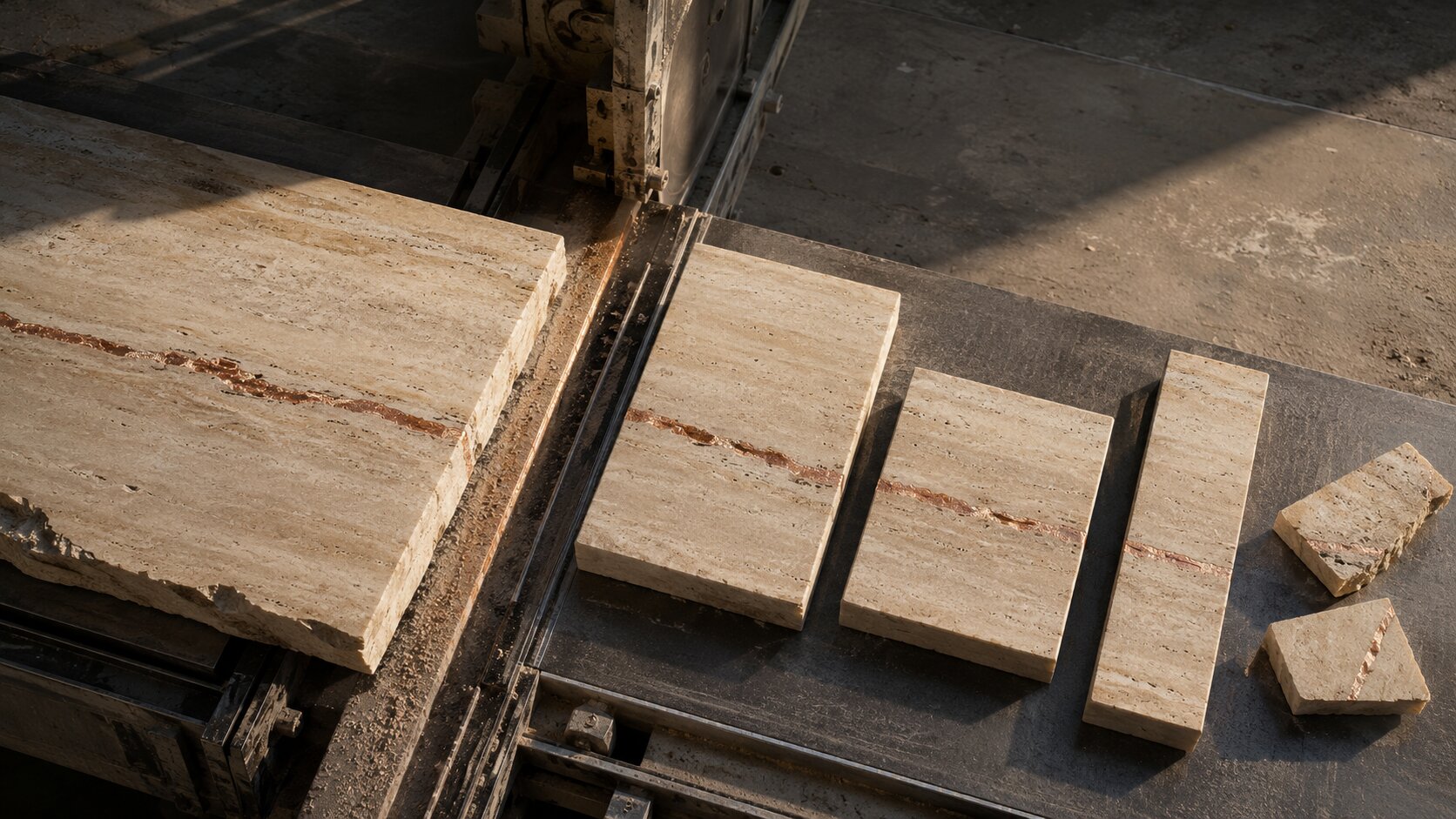
| The fabric has a heavy texture | What does the surface actually look like? | A macro detail in neutral light with a clear sense of scale |
| The workflow saves time | Which steps become faster? | One real task shown from the initial input to the finished output |
| The visual system stays consistent | Does it stay connected across formats? | Square, vertical, and wide campaign assets shown together |
| The result is customisable | What can change without losing the main direction? | Controlled variations created from one shared creative foundation |
The goal is not to remove style or emotion from the campaign.
A dramatic hero image can still attract attention. The proof layer simply gives the viewer something more concrete to evaluate after that first impression.
Choose Proof That Fits the Promise
Different claims create different doubts, so they need different kinds of evidence.
Appearance and Material
Use close-ups, movement, scale, and honest lighting.
A product that claims to have a soft finish should be shown bending, compressing, folding, or reacting to light. A single heavily edited studio image may look attractive, but it can leave practical questions unanswered.
Google Merchant Center guidance follows a similar principle. Product images should accurately represent the item, including the correct colour, material, pattern, and variant.
Performance
Show the product doing the thing under understandable conditions.
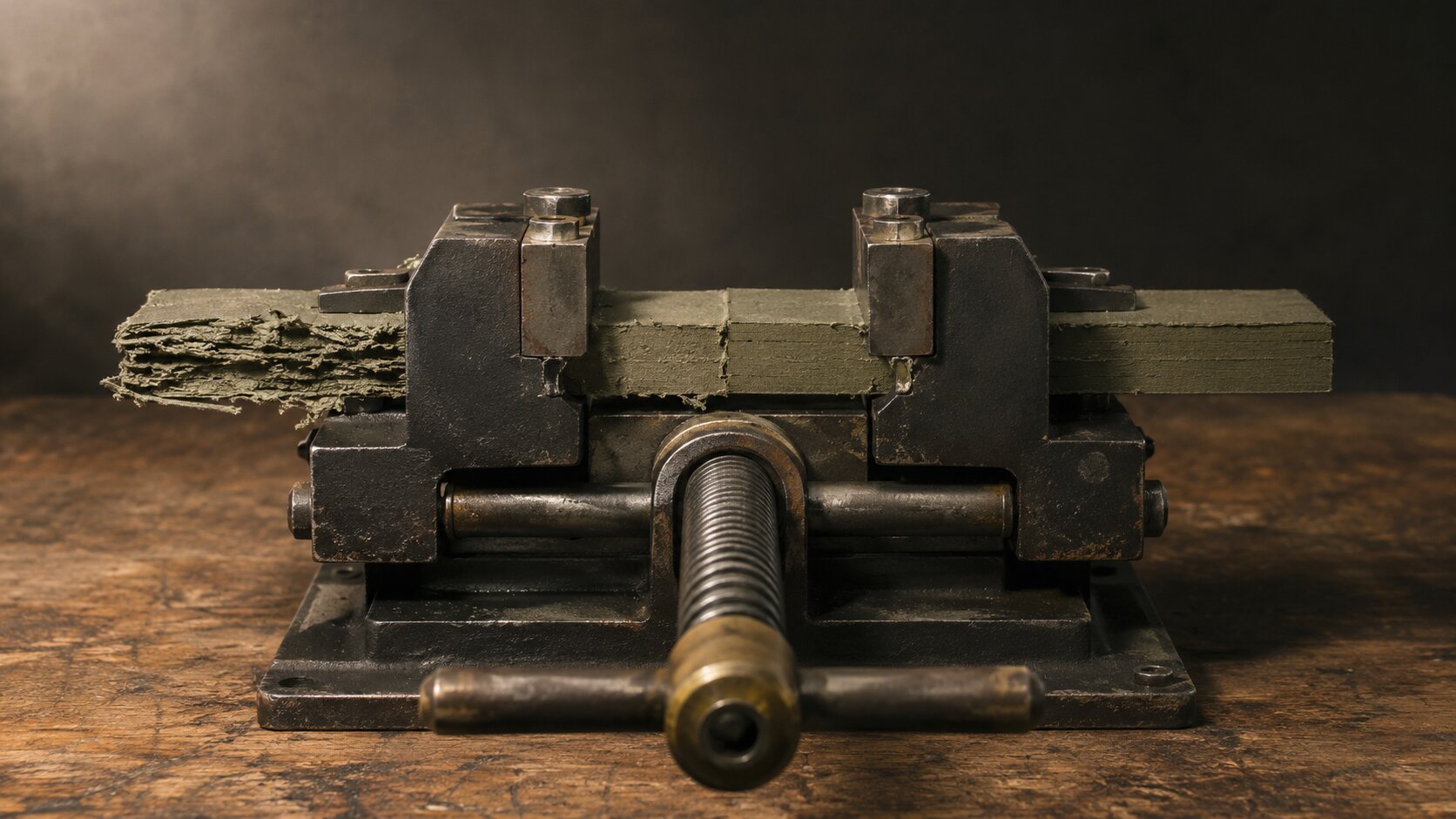
For an audio cleanup tool, use the same source recording before and after processing. For a physical tool, keep the material, load, and duration consistent.
Objective product claims should have a reasonable basis before they are published. That includes claims made directly and claims suggested by the overall visual presentation.
Ease and Speed
Use a process view.
Record the real task from beginning to end, including any meaningful setup. Do not hide several minutes of preparation behind a quick transition and then present the whole workflow as instant.
Consistency
Show a sequence rather than one finished asset.
Use the same subject, visual rule, or campaign motif across several outputs. This is especially useful for artists, musicians, and creative tools promising a coherent identity rather than one attractive image.
Customer Proof
Use real customer material, verified reviews, credited examples, and necessary disclosures.
Customer imagery can answer practical questions that polished brand photography may miss. It can show scale, fit, context, variation, and real use.
A testimonial can support confidence, but it does not replace evidence for an objective performance claim. Endorsements should represent genuine experiences and should not communicate claims that could not be made directly by the brand.
Pro Tip: Match the proof format to the exact uncertainty behind the claim. A close-up cannot prove speed, and a testimonial cannot prove a measurable technical result on its own.
Capture Evidence Before You Design the Campaign
Weak visual proof often appears because evidence is collected at the end of the creative process.
The campaign has already been designed, the claim has been written, and someone suddenly asks for a screenshot, customer quote, or comparison image to fill the gap.
Flip that order.
Verify the claim, decide what the viewer needs to see, capture the raw material, and then build the visual system around it.
A practical proof brief can be kept simple:
- Claim: Write one sentence without hype or vague language.
- Doubt: Note what a reasonable viewer may question.
- Evidence: Choose a demonstration, comparison, close-up, sequence, measurement, or customer example.
- Conditions: Record what must remain fixed for the comparison to be fair.
- Limits: State where the result depends on the setup, input, skill, environment, or individual use.
- Formats: Plan wide, square, vertical, and product-page versions before production begins.
- Source Files: Keep the original material, permissions, approvals, and supporting data.
This approach is useful for both physical and digital products.
A musician planning a release campaign might capture the original visual concept, its variations, and the finished assets together. A creative tool might preserve the input brief, generated options, selection process, and final edits.
It also makes internal review easier. The creative lead can judge the visual quality while the product owner checks whether the evidence represents the claim accurately.
Pro Tip: Capture more context than you think you need. Tight crops are easy to create from a clean master asset. Rebuilding missing evidence after production is much harder.
Make Product Demonstrations Honest and Easy to Read
The best proof is not always the most dramatic version.
It is the version that makes the comparison easy to understand.
For before-and-after visuals, keep the camera position, framing, lighting, scale, duration, source material, and measurement method consistent wherever they affect the result.
Change the product-related variable, not the entire scene.
Common mistakes include:
- Using different lighting to exaggerate a visual change
- Changing the camera distance so one object appears larger
- Cutting away the difficult part of a workflow
- Presenting an unusual or exceptional result as typical
- Hiding important conditions in tiny text
- Mixing several separate claims into one confusing montage
- Using motion, sound, or visual effects that make a minor difference feel much larger
The overall impression matters.
An advertisement can mislead through implication or omission, even when one isolated sentence is technically accurate.
Qualifications should sit close to the claim and remain easy to notice. If a creator was paid, a result is illustrative, or a demonstration uses a special setup, explain it where the viewer will actually see it.
Do not place essential context behind an extra click or bury it at the bottom of a long page.
You do not need to turn every demonstration into a laboratory report. You simply need to make the conditions understandable enough for someone to judge the result fairly.
Use AI to Clarify Evidence, Not Manufacture It
AI can support many parts of a proof-led creative workflow.
- Turning a product claim into a storyboard
- Suggesting useful demonstration angles
- Organising a production brief or shot list
- Creating first-pass campaign layouts
- Cleaning up captions and explanatory text
- Preparing controlled visual variations
- Adapting real source material for different formats
- Identifying where supporting context may be missing
The problem starts when presentation becomes fabrication.
Do not use generated imagery to suggest that a product achieved a result it never achieved.
Do not invent customer photographs, fake reviews, fake dashboards, simulated measurements, or fictional product outputs and present them as observed evidence.
A useful distinction is simple:
- Evidence shows what actually happened.
- Illustration explains an idea, mood, direction, or possibility.
A generated concept image can express the visual world of a music release. It should not be used to prove the finish, fit, durability, or performance of a real physical product.
For an AI creative platform, show real outputs created from a documented input. Include the original idea, the generated options, the human selection, and the final refinements where useful.
The visible path can be more convincing than a perfect result shown without any context.
Review Principle: Use AI to make real evidence clearer, more organised, and easier to publish. Do not use it to create evidence that never existed.
Keep the Proof Intact Across Every Format
Proof is harder to repurpose than decoration.
A crop can remove the product detail that supports the claim. A caption can cover the important part of a comparison. A short edit can remove the setup that made the demonstration understandable.
Start with one complete proof asset, then rebuild the composition around it for each publishing context.
A landing page may hold the complete demonstration and its limitations.
A vertical video may need the key action to appear within the first few seconds.
An email may use one strong still image while live text explains the claim and next step.
A carousel can separate the claim, evidence, conditions, and takeaway into a clear sequence.
The visual identity can change shape. The evidence should not change meaning.
For a musician, that might mean showing one visual world across a cover, teaser, poster, and story.
For a creator tool, it might mean showing the same rough brief becoming a connected set of campaign outputs.
For a physical product, it means keeping the correct model, colour, material, and variant visible across the listing, advertisement, and customer example.
Product pages need enough clear text and imagery to answer practical questions and help someone make an informed decision. A striking image may create interest, but useful evidence helps the viewer decide whether the product fits their actual needs.
Run a Visual Proof Check Before Publishing
Before publishing, review the asset without the campaign copy.
Does the visual still support the claim, or does the claim depend entirely on the surrounding text?
| Check | Pass Condition |
|---|---|
| Claim match | The visual supports the exact promise being made rather than a loosely related benefit. |
| Readability | The evidence remains clear at the final display size and does not depend on zooming in. |
| Fair comparison | Important variables remain consistent unless the changed variable is part of the product claim. |
| Context | The setup, process, conditions, and limitations are understandable. |
| Authenticity | Reviews, customer examples, measurements, and results come from real sources. |
| Disclosure | Paid, atypical, simulated, sponsored, or illustrative material is clearly identified. |
| Format integrity | Cropping, captions, overlays, and edits do not remove essential evidence. |
| Source record | Original files, approvals, permissions, and supporting information are stored. |
You cannot remove every possible doubt.
You can remove avoidable confusion and make the path from promise to evidence much easier to follow.
This also improves creative reviews. Teams spend less time debating whether an asset feels convincing because they can point to the exact claim, the supporting evidence, and any missing context.
Where Orias AI Fits Into a Proof-Led Workflow
Orias AI can support the creative work around the evidence.
You can begin with a rough idea, product claim, customer question, reference set, campaign mood, or existing demonstration.
From there, you can develop a clearer visual direction, plan the asset system, explore compositions, and prepare connected outputs for landing pages, social media, release campaigns, and promotional materials.
A practical proof-led workflow can look like this:
- Write the exact product claim.
- Identify the doubt behind that claim.
- Choose the strongest form of evidence.
- Capture or collect the real source material.
- Define the visual direction around the evidence.
- Create a master proof asset.
- Adapt the composition for each publishing format.
- Review accuracy, consistency, disclosures, rights, and readability.
The goal is not to replace the creator’s judgment.
It is to make the path from a rough product promise to a clearer, more connected, and publish-ready campaign less fragmented.
Frequently Asked Questions
What Is Visual Proof in Marketing?
Visual proof is an image, demonstration, sequence, comparison, measurement, or real customer example that allows a viewer to evaluate a product claim instead of simply accepting it.
Is a Product Photo Enough to Prove a Claim?
Only when the claim can genuinely be shown in a still image, such as colour, shape, visible features, finish, or material texture. Claims about speed, performance, ease of use, or consistency usually need a demonstration or sequence.
What Makes a Before-and-After Image Credible?
Comparable framing, lighting, scale, timing, source material, and conditions. The viewer should be able to see what changed and what stayed fixed.
Can AI-Generated Images Be Used as Visual Proof?
AI-generated images can illustrate an idea, concept, possibility, or creative direction. They should not be presented as evidence of a real customer experience, physical property, technical measurement, or product result that did not occur.
How Much Proof Belongs on a Product Page?
Include enough evidence to answer the main purchase questions without overwhelming the page. Start with the most important claim, then add useful details, demonstrations, comparisons, and customer context where they reduce uncertainty.
How Do You Preserve Proof Across Social Formats?
Create one complete master proof asset, identify the detail that must remain visible, and recompose each format around that detail. Avoid relying on automatic cropping or resizing.
What Is the Biggest Mistake in Proof-Based Creative?
Trying to make one asset prove too many things. Use one main claim, one viewer question, and one piece of evidence that answers it clearly.
Sources Used
- Federal Trade Commission, Policy Statement Regarding Advertising Substantiation
- Federal Trade Commission, Advertising and Marketing on the Internet: Rules of the Road
- Federal Trade Commission, Endorsement Guides
- Federal Trade Commission, Consumer Reviews and Testimonials Rule
- Google Merchant Center Help, Product Image Requirements
- Baymard Institute, Integrating Customer and Social Imagery on Product Pages
- Nielsen Norman Group, Ecommerce Product Page Guidelines
- Orias AI