Proof-Driven Visuals: Turning Claims, Results and Evidence into AI Assets
Turn claims, results, reviews and real evidence into stronger AI visuals without making your creative work feel fake or overhyped.
TL;DR:
- Proof-driven visuals start with evidence, not aesthetics.
- Instead of asking AI for “cool promo graphics,” you begin with the claim you want to support, the proof behind it, and the kind of visual that can make that proof easier to understand.
- The practical takeaway is simple: build a small evidence library first, then turn each proof point into clear, platform-ready creative assets.
A lot of AI visuals look good for about three seconds.
Then the problem shows up. The image is polished, but it doesn’t really say anything. It has mood, texture, lighting, maybe a nice abstract object in the middle... but no reason for anyone to trust the message behind it.
That’s where proof-driven visuals come in.
For creators, artists, musicians, and creative teams, proof doesn’t always mean hard sales data. It can be a sold-out show, a playlist placement, a fan comment, a before-and-after process, a behind-the-scenes sketch, a press mention, a client result, a review, a release milestone, or even a clear comparison between rough idea and final work.
The point is not to make everything feel like an ad. The point is to stop making visuals that only decorate a claim. A better asset helps the viewer understand why the claim is believable.
This guide breaks down how to turn claims, results, and evidence into AI assets without overclaiming, flattening your taste, or publishing something that feels fake.
Table of Contents
- Key Takeaways
- Start with the claim, not the image style
- Build a small proof library before generating assets
- Match each proof type to the right visual format
- Use AI to clarify proof, not exaggerate it
- Create a proof-to-asset matrix
- Keep the boring receipts behind the beautiful visuals
- Turn one proof point into a full creative pack
- How Orias AI fits into a proof-driven workflow
- Frequently Asked Questions
- Sources Used
Key Takeaways
| Point | Details |
|---|---|
| Proof comes before style | Decide what the visual needs to prove before choosing color, format, mood, or AI prompt. |
| Not every claim needs a statistic | For artists and creators, proof can be reviews, audience response, process evidence, press, milestones, or real examples. |
| AI should make evidence clearer | Use AI to simplify, structure, and visualize proof. Don’t use it to inflate results or fake credibility. |
| Platform context matters | A proof asset for TikTok, Spotify Canvas, YouTube, Instagram, or a landing page needs different framing and format. |
| Keep a receipt trail | Store the source behind every claim so future posts, ads, and campaign visuals stay consistent and defensible. |
| A single proof point can become many assets | One verified result can become a teaser, carousel, short video, release visual, thumbnail, and campaign banner. |
Start with the claim, not the image style
Most weak AI visuals start with a style prompt.
“Make it cinematic.”
“Make it futuristic.”
“Make it premium.”
“Make it look like a campaign.”
That can produce something attractive, sure. But it skips the hard part: what is the visual actually supporting?
A proof-driven asset starts with a plain claim.
For example:
- “This song has a darker, more cinematic sound than my last release.”
- “This visual pack was built from one consistent creative direction.”
- “Our audience responded strongest to this version.”
- “This product helped simplify a messy workflow.”
- “This campaign grew from one rough concept into a complete release system.”
Some of those are factual. Some are creative positioning. Some are based on audience response. Each one needs a different kind of proof.
That matters because advertising and promotional claims can’t just sound good. The FTC says advertising claims should be truthful, not deceptive or unfair, and evidence-based, while objective claims need a reasonable basis behind them. FTC advertising basics and FTC advertising substantiation guidance both explain this principle clearly.
Even when you’re not running paid ads, the habit is useful. It keeps your creative work honest.
A good first question is:
What would make this believable to someone who doesn’t already trust me?
For a musician, that might be a real studio detail, fan reaction, press mention, playlist context, or visual evolution from demo to final release. For a creator, it might be screenshots of process, client feedback, a public result, a side-by-side transformation, or a simple breakdown of how the thing was made.
Don’t start with “What should this look like?”
Start with “What does this need to prove?”
Then the look has a job.
Build a small proof library before generating assets
A proof library doesn’t need to be fancy. It can be a Notion page, a folder, a spreadsheet, or a simple document. The main thing is that you stop letting evidence disappear across DMs, screenshots, emails, analytics dashboards, and old campaign folders.
Think of it as your creative receipt drawer.
Add proof in a few simple categories:
| Proof Type | Examples | Useful For |
|---|---|---|
| Results | Saves, shares, sales, signups, attendance, completion, conversion, stream milestones | Campaign recaps, launch assets, social proof |
| Audience response | Comments, DMs, reviews, testimonials, fan posts | Trust-building posts, carousels, quote visuals |
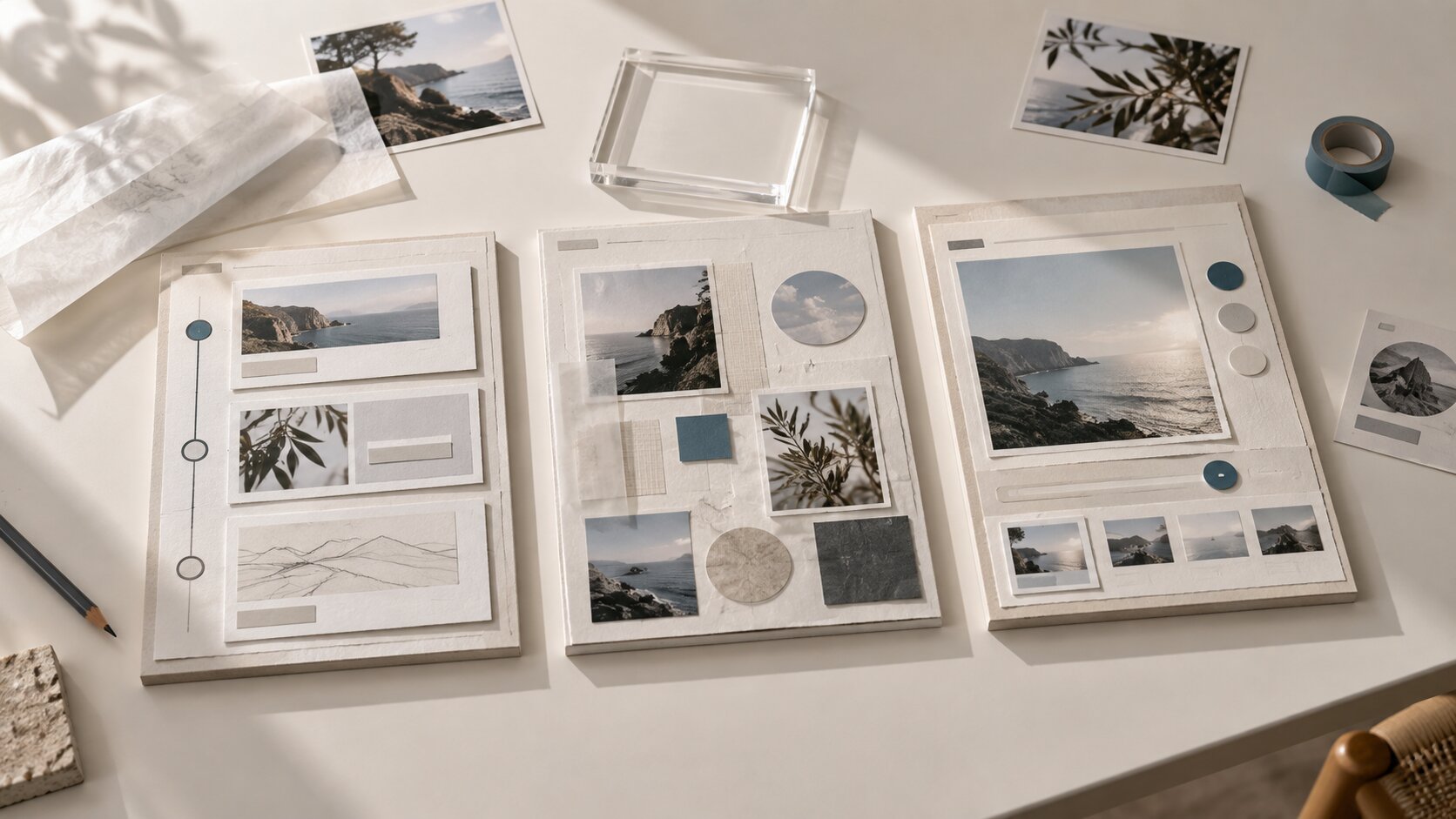
| Process evidence | Sketches, references, drafts, mood boards, revisions, studio photos | Behind-the-scenes content, case studies |
| Third-party validation | Press, playlist adds, awards, partner mentions, creator collaborations | Announcement visuals, credibility assets |
| Comparisons | Before and after, rough to refined, old direction to new direction | Workflow education, product storytelling |
| Context | Date, platform, audience, campaign goal, limitation | Captions, disclaimers, internal review |
The small details matter. A testimonial without context is easy to misuse. A result without dates can become misleading. A screenshot with private information can create rights or privacy problems.
The FTC endorsement rules also warn against presenting testimonials or endorsements in a way that distorts someone’s opinion or experience. The official endorsement guides are worth reading if you use customer quotes, fan reactions, reviews, or creator recommendations.
So if a fan says, “This is my favorite track from you so far,” don’t turn that into “Fans agree this is the best track of the year.” That’s not tightening the copy. That’s changing the meaning.
A useful proof library includes:
- The original evidence
- The date
- Where it came from
- What claim it supports
- Any limits or disclaimers
- Whether you have permission to use it
This might feel boring compared with generating images. But it makes the images better. You’re giving AI something grounded to work from.
Match each proof type to the right visual format
Different proof needs different visual treatment.
A single fan quote doesn’t need a huge cinematic scene. A detailed process breakdown probably shouldn’t be squeezed into one square post. A claim about visual consistency across a release might work better as a grid, sequence, or creative pack preview.
Here’s a practical way to think about it.
If the proof is a result, make the result visible
A result-based visual should make the outcome easy to understand.
That might be:
- A milestone announcement
- A recap card
- A clean before-and-after structure
- A “what changed” carousel
- A campaign timeline
- A simple visual system showing one idea across many formats
The mistake is making the result too dramatic. “10,000 saves” is a result. “Everyone is obsessed” is probably not.
If the proof is a quote, preserve the human voice
Quotes work because they sound like someone real said them.
Don’t over-smooth them. Don’t turn them into brand copy. Don’t remove the awkward little phrase that makes them feel true.
A good AI asset can frame the quote with mood, texture, portrait direction, release art, or campaign visuals. But the quote itself should stay honest.
If the proof is process, show the path
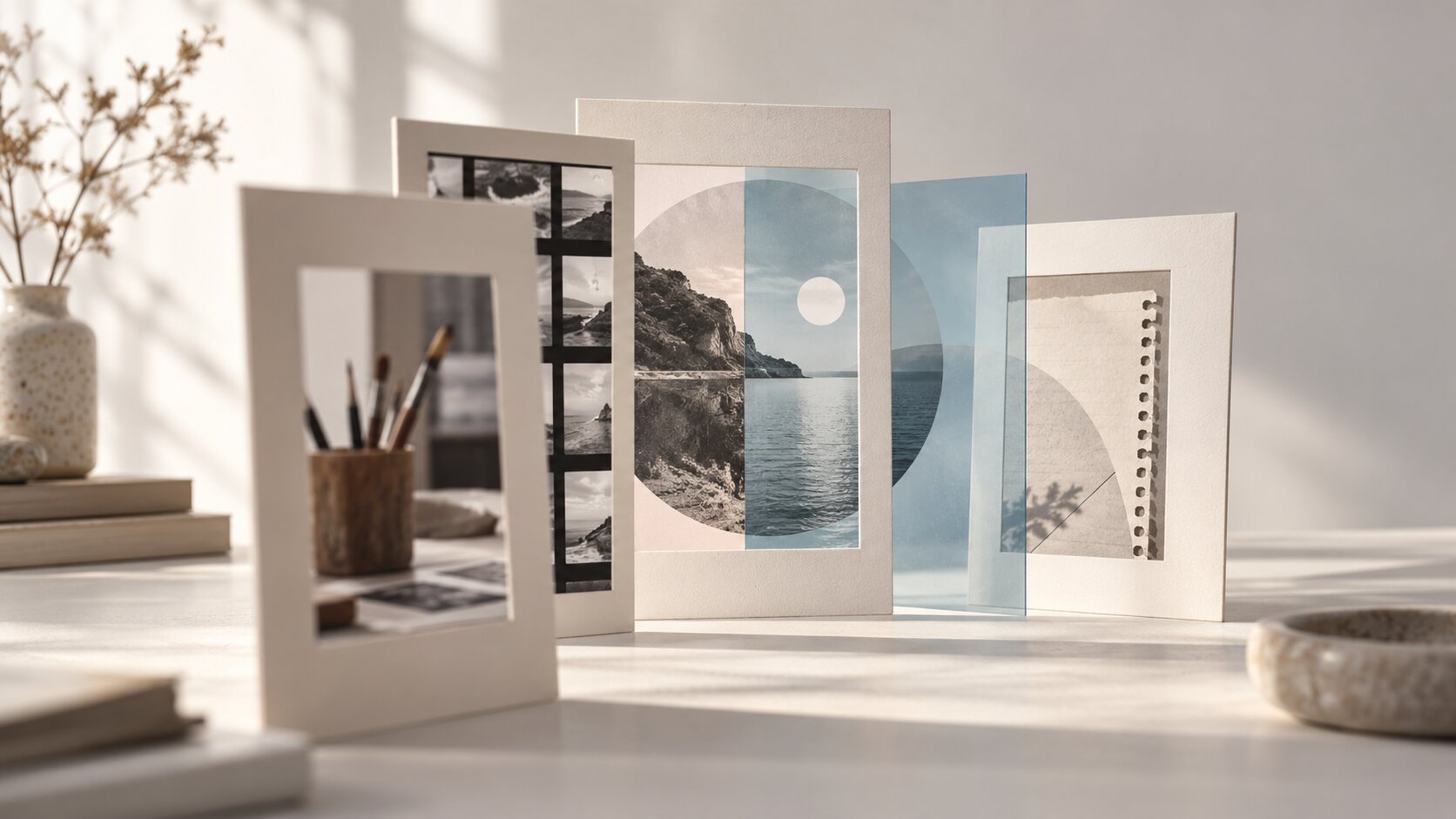
Process proof is especially useful for visual storytellers because it shows judgment. It says, “This didn’t just appear. It was shaped.”
For AI-assisted work, that could mean showing:
- Initial concept
- Mood references
- Prompt direction
- Generated options
- Human selection
- Final edited asset
- Platform crops
This is where AI can help you build clear visual sequences instead of random one-off images.
If the proof is third-party validation, keep it restrained
Press mentions, playlist placements, awards, or partner mentions can be powerful. But visually, they often get overdone.
You don’t need fake trophies, giant badges, or aggressive “as seen in” graphics unless that fits your brand. A quieter layout often feels more credible.
Use the validation as one part of the visual story, not the whole personality of the piece.
Use AI to clarify proof, not exaggerate it
This is the line.
AI can help you make proof easier to see. It should not help you invent proof.
That means AI is useful for:
- Turning messy evidence into visual concepts
- Creating several layout directions
- Exploring metaphors for results or progress
- Building asset variations for different platforms
- Simplifying a complex claim into a clearer visual story
- Creating mood-consistent campaign materials
But it should not be used to fake screenshots, fake testimonials, fake press quotes, fake numbers, fake before-and-after results, or fake endorsements.
This matters on platforms too. TikTok’s advertising policy says ads and landing pages must not promise or exaggerate product results, and it restricts false expressions, exaggerated information, inconsistent information, clickbait, and some misleading before-and-after comparisons. TikTok’s misleading and false content policy explains this in more detail. Meta also prohibits ads using deceptive or misleading practices, including scam-like offers. Meta’s advertising standards cover unacceptable business practices. Google Ads policies similarly restrict false, misleading, or unrealistic claims. Google’s policy on unreliable claims outlines this clearly.
Even outside paid ads, audiences are getting better at sensing when a visual is doing too much.
If your actual proof is small, don’t hide that. Make it specific instead.
Weak:
“We changed the game for independent artists.”
Better:
“We turned one release concept into 12 consistent assets for launch week.”
Weak:
“This is the only visual system you need.”
Better:
“A simple way to keep your release visuals, teasers, and promo posts connected.”
Specific beats inflated.
Every time.
Create a proof-to-asset matrix
A proof-to-asset matrix sounds more complicated than it is. It’s just a table that connects evidence to creative output.
Here’s a simple version:
| Claim | Proof | Best Asset | AI Direction | Review Check |
|---|---|---|---|---|
| The release has a colder, more cinematic mood | Final cover, video stills, mood references | Release teaser and cover extension | Dark studio light, mineral textures, slow movement | Does it match the actual track? |
| Fans responded to the hook | Public comments, save/share pattern, DMs | Quote carousel or short visual loop | Pull focus toward the emotional phrase | Are quotes used accurately? |
| The campaign has one consistent visual world | Asset folder across formats | Creative pack preview | Same motif adapted into square, vertical, wide | Do all formats feel connected? |
| The workflow saved revision time | Project timeline, approved drafts | Case study visual | Before/after production path | Can the time claim be supported? |
| The artist’s new era is more intimate | Photos, lyrics, acoustic session, notes | Mood-led announcement image | Close texture, quieter framing | Does it feel true to the artist? |
This matrix helps you avoid the classic AI mistake: making ten beautiful assets that all point in different directions.
It also makes prompting easier.
Instead of writing:
“Create a premium futuristic campaign visual for my music release.”
You can write:
“Create a vertical teaser visual based on the claim that this release is colder and more cinematic than the previous one. Use the proof points: dark cover art, slow percussion, winter studio photos, and minimal typography direction. The visual should feel restrained, not dramatic. Leave space for a short caption. No fake awards, no fake charts, no invented press quotes.”
That prompt gives the AI a job. It also gives you a way to judge the output.
Keep the boring receipts behind the beautiful visuals
Good proof-driven visuals need a review step.
Not a huge compliance process. Just a pause before publishing.
Ask:
- Is the claim literally true?
- Does the visual imply something stronger than the evidence supports?
- Are numbers, screenshots, and quotes accurate?
- Do you have permission to use the testimonial, image, name, or logo?
- Does the asset need a disclosure?
- Does the platform crop hide important context?
- Would a new viewer understand the claim without being misled?
This is especially important when using AI to create realistic content.
YouTube requires creators to disclose AI-generated or meaningfully AI-altered content when it appears realistic, and its examples include making it look like someone said or did something they did not do. YouTube also says creators do not need to disclose non-realistic AI content or minor edits that do not mislead viewers about what actually happened. YouTube’s disclosure guidance explains where that line sits.
That distinction is useful beyond YouTube. If your AI asset is clearly abstract, illustrative, or stylized, it usually carries a different risk than a realistic image that looks like documentary proof.
For example:
- Abstract visual showing a release mood: usually fine.
- Fake photo of a sold-out venue: not fine.
- Stylized graphic based on real fan quotes: potentially fine with permission and accuracy.
- Fake screenshot of a playlist placement: not fine.
- AI-generated portrait of a real collaborator without consent: risky and probably a bad idea.
The boring receipts protect the beautiful visuals from becoming misleading.
Turn one proof point into a full creative pack
One strong proof point can stretch across a whole campaign if you treat it as a system.
Let’s say you’re an independent musician releasing a new single. Your proof point is:
“The track started as a stripped voice memo and became a cinematic electronic release.”
That’s not a chart claim. It’s process proof. You can show it.
From that one proof point, you could create:
- A vertical teaser showing the transition from raw voice note mood to final release world.
- A square post with a simple caption about how the song started.
- A carousel showing voice memo, lyric fragment, production texture, final cover direction.
- A Spotify Canvas concept built around one looping visual motif.
- A YouTube thumbnail for a behind-the-scenes breakdown.
- A press kit visual showing the creative direction in a cleaner editorial layout.
- A launch recap asset after release week, using real audience response.
Platform details matter here. Spotify Canvas is a short vertical loop that appears in the Now Playing view, and Spotify’s guidelines list requirements such as 3 to 8 seconds, 9:16 vertical format, 720px to 1080px height, and MP4 or JPG format. Spotify’s Canvas guidelines cover the requirements. TikTok recommends vertical 9:16 creative, at least 720p, and keeping content visible within the UI safe zone. TikTok’s creative best practices explain this for performance creative. YouTube says thumbnails and titles help viewers decide whether to watch, and recommends accurate titles, readable text, and designs that aren’t too complex. YouTube’s thumbnail and title tips are useful here.
Same proof. Different formats.
That’s the point. You’re not generating random content for every platform. You’re adapting one believable story into the right shape for each place.
How Orias AI fits into a proof-driven workflow
Orias AI works best when you don’t treat it like a slot machine for pretty images.
The stronger use is more structured: bring in a rough idea, a claim, a few references, a mood, and the proof behind the story. Then use AI to explore visual directions, create variations, shape promo assets, and build a more consistent creative pack around the evidence you already have.
For creators, that might mean turning fan feedback into a quote-led promo system. For musicians, it might mean building release visuals from real studio notes, cover direction, and campaign mood. For creative teams, it might mean converting campaign claims into platform-ready assets that still feel connected.
The human part stays important. You still decide what’s true, what fits the artist, what feels tasteful, what needs disclosure, and what should never be published.
AI can speed up the making.
It should not replace the judgment.
Frequently Asked Questions
What are proof-driven visuals?
Proof-driven visuals are creative assets built around a real claim and the evidence behind it. Instead of making a visual that only looks nice, you make one that helps the viewer understand why a message is believable.
What counts as proof for a creator or artist?
Proof can include audience comments, reviews, press mentions, playlist placements, live show photos, behind-the-scenes process, campaign results, screenshots, client feedback, or documented creative development. It does not always have to be a big number.
Can I use AI to create testimonial visuals?
Yes, but keep the testimonial accurate. Don’t rewrite a person’s words in a way that changes their meaning. Also check permission, attribution, and privacy before using names, profile photos, screenshots, or private messages.
Are before-and-after visuals safe to use?
They can be useful, but they need care. Avoid before-and-after visuals that exaggerate results or imply outcomes you can’t support. This is especially sensitive in categories like health, beauty, finance, and performance claims.
How do I avoid making AI visuals feel fake?
Start with real evidence, use specific claims, avoid invented screenshots or fake results, and keep the design restrained. The visual should clarify the proof, not make the story bigger than it really is.
Should I disclose that AI was used?
It depends on the platform, the format, and whether the content could mislead people. YouTube, for example, requires disclosure for realistic AI-generated or meaningfully altered content, while minor edits or clearly non-realistic content may not need the same treatment. Always check the current rules for the platform you’re publishing on.
What is the easiest proof-driven asset to start with?
Start with one real quote, one real result, or one clear process story. Turn it into a simple square post, short carousel, or vertical teaser. Don’t try to build a full campaign until you know the claim is clear.
Sources Used
- Federal Trade Commission, Advertising and Marketing Basics
- Federal Trade Commission, Policy Statement Regarding Advertising Substantiation
- eCFR, 16 CFR Part 255, Guides Concerning Use of Endorsements and Testimonials in Advertising
- TikTok Advertising Policies, Misleading and False Content
- Meta Advertising Standards, Unacceptable Business Practices
- Google Ads Policy Help, False, Misleading, or Unrealistic Claims
- YouTube Help, Disclosing Use of GenAI Content
- Spotify for Artists, Canvas Guidelines
- TikTok Ads Help Center, Creative Best Practices for Performance Ads
- YouTube Help, Thumbnail and Title Tips